

Winter may seem like a quiet time in the garden, but it is actually one of the most important seasons for planning. Decisions made during the colder months often determine how successful, productive and enjoyable the growing season will be. While winter planning is exciting, it’s also easy to make mistakes that can cause problems later on. Being aware of these common pitfalls can help you start spring with confidence.
One of the most overlooked steps in winter garden planning is reviewing the previous growing season. Many gardeners rush ahead with new ideas without taking time to reflect on what worked and what didn’t. Looking back at plant performance, pest issues, yields and maintenance challenges can provide valuable insight. Winter is the ideal time to assess these details while memories are still fresh and use them to make more informed decisions for the year ahead.

Another common mistake is ignoring local climate conditions and microclimates. It’s tempting to plan a garden based on inspiration from social media or gardening books, but not all plants thrive in all regions. Frost dates, rainfall patterns, temperature extremes and small variations within your own garden all play a role in plant success. Taking time in winter to research your hardiness zone and observe how sun, shade, wind and heat affect your space can prevent disappointment later.

Overcrowding is also a frequent issue when planning on paper. Garden layouts often look neat and manageable in winter sketches, but plants quickly outgrow those expectations once the season begins. Forgetting to account for mature plant size can lead to poor air circulation and increased disease. Planning with realistic spacing in mind helps create a healthier and more productive garden overall.
Soil health is another area that often gets overlooked during winter planning. While it’s easy to focus on which plants to grow, the condition of the soil beneath them is just as important. Neglecting soil preparation can limit plant growth no matter how carefully the garden is planned. Winter is an excellent time to schedule soil tests, plan compost additions and think about long-term soil improvements that will support future plantings.
Many gardeners also forget to plan for plant rotation and succession planting. Repeating the same crops in the same locations year after year can drain soil nutrients and encourage pests and diseases. Winter planning provides the opportunity to rotate plant families, stagger planting times and leave space for follow-up crops after early harvests. These strategies lead to healthier soil and more consistent harvests throughout the season.

Another mistake is underestimating the time and maintenance a garden requires. Winter enthusiasm can lead to ambitious plans that become overwhelming once spring and summer arrive. It’s important to be realistic about how much time you’ll have for watering, weeding, pruning and harvesting. A slightly smaller, well-managed garden often brings more satisfaction than a larger one that feels like a chore.

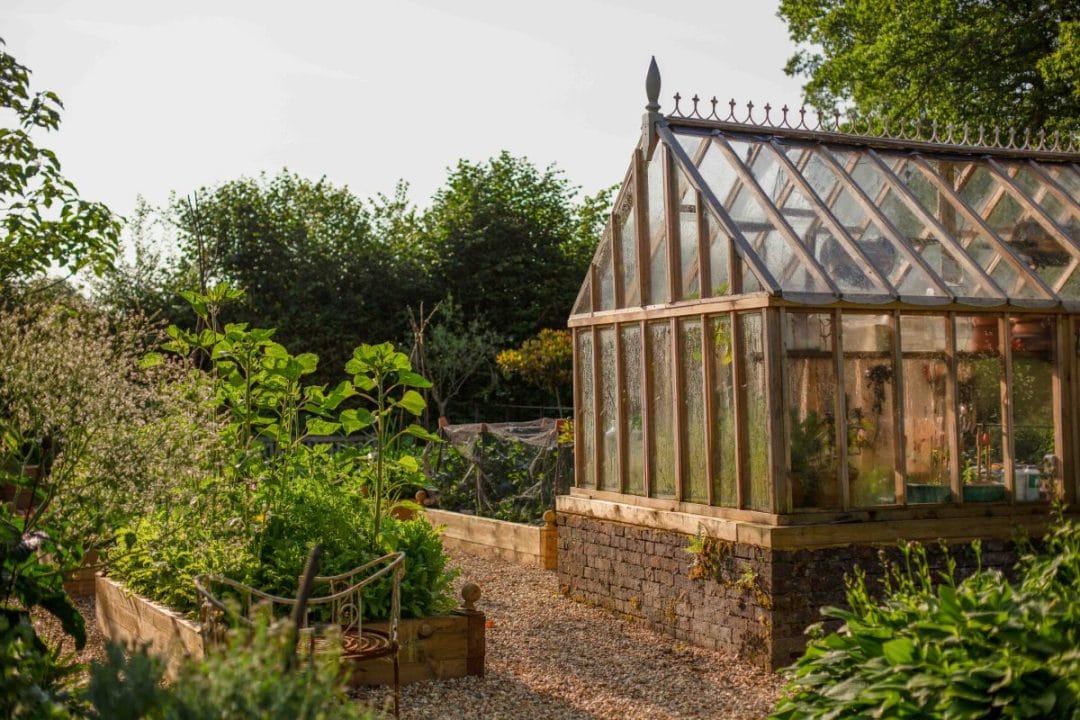
Infrastructure and accessibility are also easy to overlook during the planning phase. Walkways, irrigation placement, tool storage and compost areas all affect how functional a garden will be. Failing to plan these elements can make routine tasks harder than necessary. Thinking through garden layout and access points during winter can save time and frustration once the growing season begins.
Waiting too long to order seeds and supplies is another common winter planning mistake. Popular seed varieties and specialty items often sell out early, leaving gardeners with limited options in spring. Ordering seeds, bulbs and tools during winter ensures you get what you want and allows you to start the season prepared rather than rushed.
Finally, many gardeners make the mistake of treating their winter plan as rigid and unchangeable. Gardening is unpredictable, and weather, pests, and plant behavior rarely follow a script. A good plan should allow for flexibility and experimentation. Viewing your winter plan as a guide rather than a strict rulebook makes it easier to adapt and learn throughout the season.
Planning a garden over winter is a rewarding process that sets the tone for the months ahead. By avoiding these common mistakes and taking a thoughtful, realistic approach, you can create a garden that is healthier, more productive,and more enjoyable when spring finally arrives.
READ MORE