
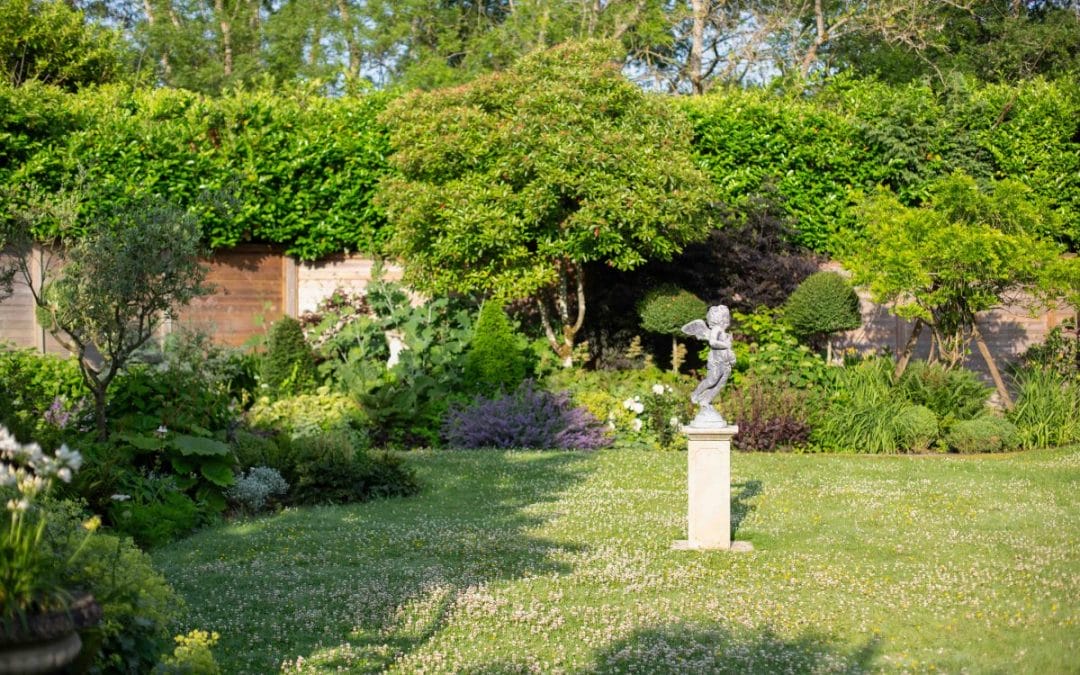
As the New Year approaches, it’s the perfect time to reflect, reset and plan for the months ahead. While many resolutions focus on health, finances, or personal growth, your garden also deserves a fresh start. Thoughtful garden planning now can lead to a more resilient, beautiful and environmentally responsible outdoor space throughout the year.
At Verdis, we believe that great gardens should be both visually appealing and designed to work in harmony with nature. With that in mind, here are some key sustainable garden design principles to consider as you plan for the year ahead.
Sustainable garden design always begins with a long-term vision. Rather than making short-term or reactive changes, it’s important to consider how your garden should function over the next five, ten, or even twenty years. Whether you’re aiming for a low-maintenance landscape, a wildlife-friendly space, or an edible garden, defining your goals early helps reduce waste and ensures that every design decision supports sustainability from the outset.
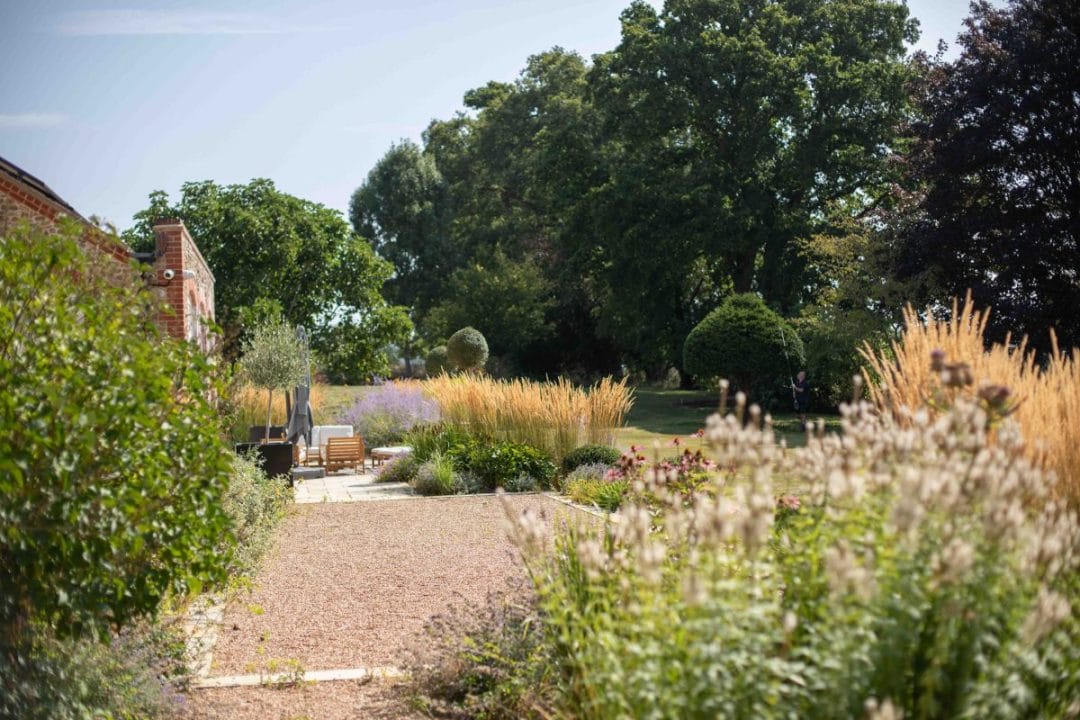
Plant choice plays a crucial role in creating a sustainable garden. Native and climate-adapted plants are naturally suited to local conditions, meaning they require less water, fertiliser and ongoing maintenance. These plants are typically more resilient to pests and disease and provide essential support for local wildlife. As climate patterns continue to change, choosing plants that can thrive in your environment will help future-proof your garden.
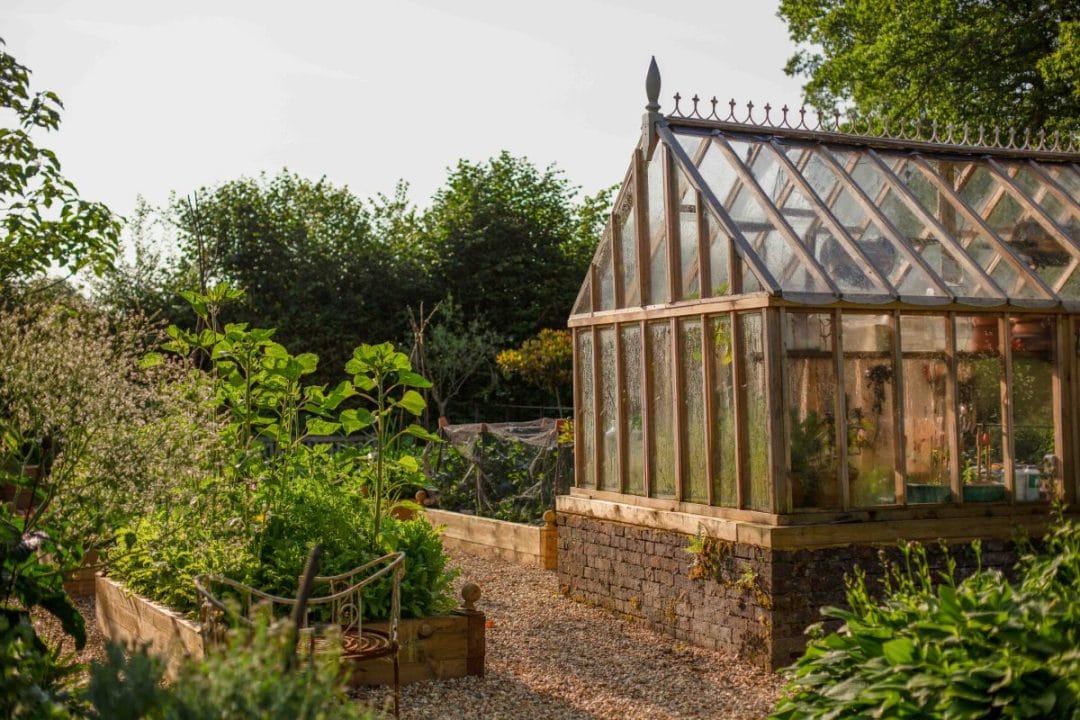
Water efficiency is another key consideration when planning a sustainable garden for the New Year. Thoughtful design allows water-saving strategies to be integrated seamlessly into your landscape. Features such as rainwater harvesting, drip irrigation, permeable paving and grouping plants with similar water needs all help conserve water while maintaining a healthy and attractive garden. Reducing water consumption not only benefits the environment but can also lower long-term costs.
Healthy soil is the foundation of any successful garden, and sustainable design prioritises soil health from the start. Rather than relying on chemical fertilisers, improving soil naturally through composting, mulching and the addition of organic matter creates stronger, more resilient plants. Minimising excessive digging also helps preserve soil structure and beneficial organisms, leading to better water retention and overall garden performance.
Many traditional gardens rely heavily on lawns, but large lawn areas can be resource-intensive to maintain. The New Year is an ideal time to reconsider how much lawn space you truly need. Replacing portions of lawn with meadow-style planting, ground covers, edible gardens, or mixed planting beds can significantly reduce maintenance while increasing biodiversity and visual interest.
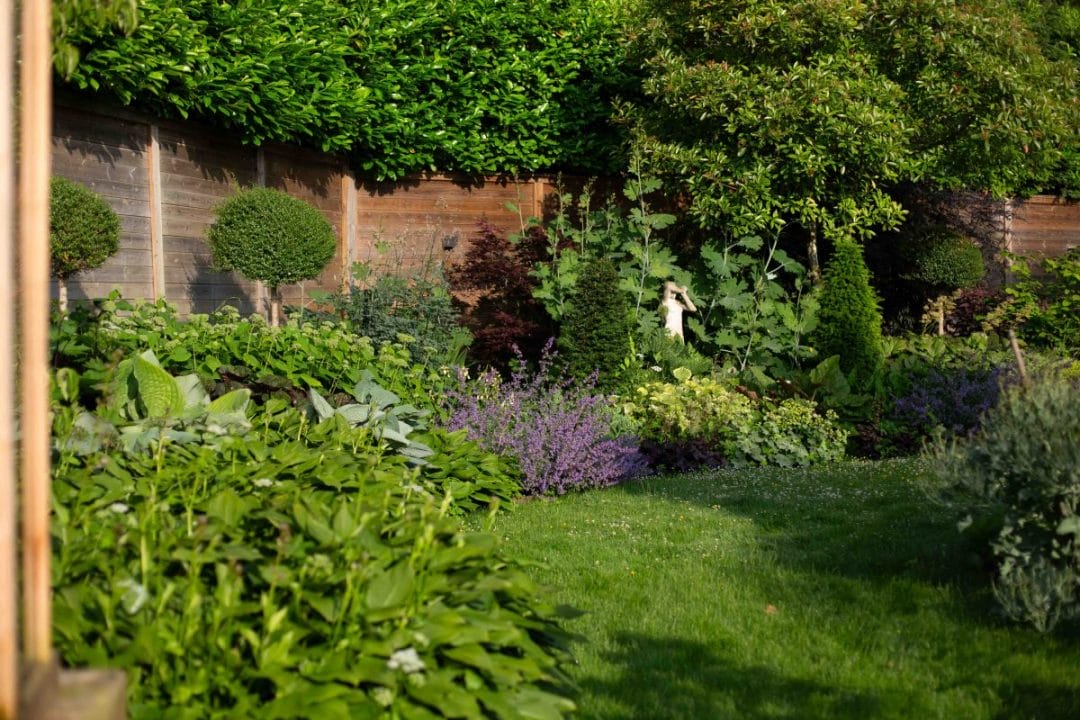
Sustainable garden design also extends to hard landscaping and material choices. Using reclaimed, recycled, or locally sourced materials helps reduce environmental impact while adding character and longevity to your outdoor space. Durable materials that age well and don’t require frequent replacement contribute to a garden that is both environmentally responsible and timeless in appearance.
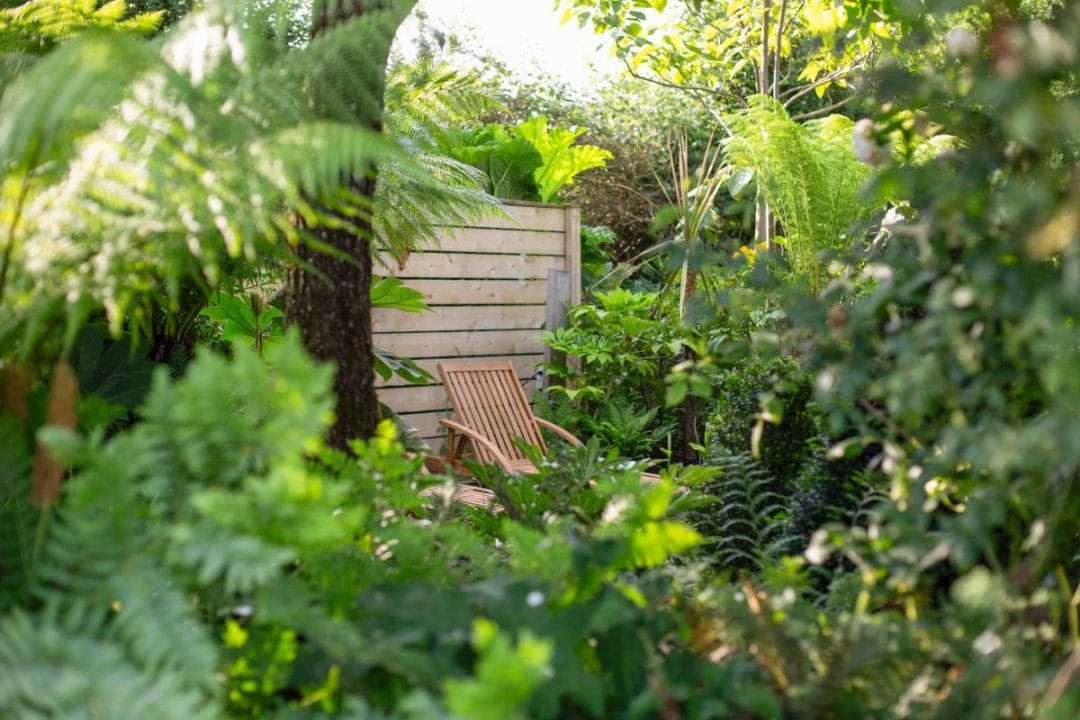
Designing for biodiversity is another essential element of a sustainable garden. By incorporating pollinator-friendly plants, natural habitats and water sources, you create a space that supports birds, insects and other wildlife. Avoiding chemical pesticides and herbicides allows natural systems to thrive, creating a healthier and more balanced garden ecosystem.
While sustainable gardens aren’t maintenance-free, they are designed to be easier and more efficient to care for. Choosing the right plants for the right locations, allowing adequate space for growth, and planning clear access for maintenance all help reduce long-term effort. The result is a garden that remains enjoyable rather than demanding, giving you more time to relax and connect with nature.
The New Year represents opportunity, and your garden is no exception. With thoughtful planning and sustainable design choices, you can create an outdoor space that benefits both you and the environment for years to come. If you’re ready to start the year with a garden designed for the future, now is the perfect time to plan.
READ MORE