

Creating a beautiful garden isn’t just about choosing plants you love—it’s about selecting plants that will thrive in your specific environment. Even the most stunning flowers, shrubs and trees can struggle if they’re planted in unsuitable conditions. Understanding your garden’s unique characteristics is the key to achieving a healthy, low-maintenance and visually appealing outdoor space.
We always begin with a thorough assessment of site conditions before recommending any planting scheme. Here’s what you need to consider when choosing the right plants for your garden.
1. Assess Your Sunlight Levels
One of the most important factors affecting plant growth is sunlight. Different plants have different light requirements, so understanding how much sun your garden receives throughout the day is essential.
Full Sun
Areas that receive six or more hours of direct sunlight daily are considered full sun locations. These spaces are ideal for many flowering perennials, ornamental grasses and Mediterranean-style plants.
Partial Shade
Locations receiving three to six hours of direct sunlight are classified as partial shade. Many shrubs, woodland plants and certain flowering varieties perform well in these conditions.
Full Shade
Areas receiving less than three hours of direct sunlight require shade-tolerant plants that can flourish with limited light.
Spend a day observing your garden to identify which areas fall into each category before making plant selections.
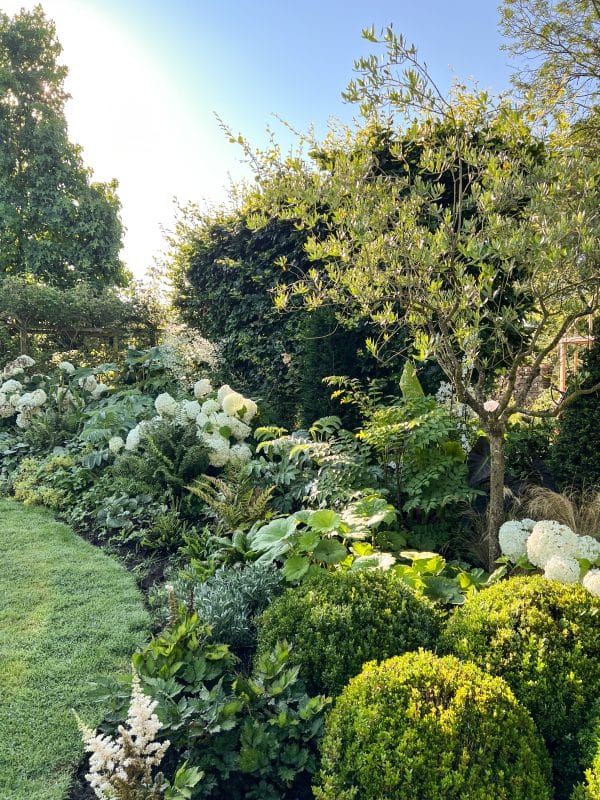
2. Understand Your Soil Type
Healthy soil provides the foundation for successful planting. Different soils drain water and retain nutrients differently, influencing which plants will thrive.
Clay Soil
Clay retains moisture and nutrients well but can become compacted and waterlogged. Plants that tolerate heavier soils often perform best here.
Sandy Soil
Sandy soil drains quickly and warms up faster in spring but may require additional watering and organic matter to improve nutrient retention.
Loamy Soil
Often considered ideal, loamy soil offers a balanced combination of drainage, moisture retention, and fertility.
If you’re unsure about your soil type, a simple soil test can provide valuable insights and help guide your planting decisions.

3. Consider Drainage Conditions
Poor drainage is a common cause of plant failure. Some plants thrive in damp conditions, while others require well-drained soil to prevent root rot.
After heavy rainfall, observe how water behaves in your garden:
- Does water pool in certain areas?
- Does the soil remain wet for several days?
- Are there dry spots that drain rapidly?
Matching plants to your garden’s drainage conditions will significantly improve their long-term health and performance.
4. Factor in Local Climate
Temperature, rainfall, wind exposure and seasonal changes all influence plant success. While a plant may look attractive in a garden centre, it may not be suitable for your local climate.
Choose plants that are well adapted to your region and capable of tolerating local weather extremes. Native plants are often an excellent option, as they have evolved to thrive in local conditions and typically require less maintenance.
5. Think About Garden Purpose and Style
A successful planting scheme should complement both your lifestyle and your property’s overall design.
Ask yourself:
- Do you want a low-maintenance garden?
- Are you looking to attract pollinators and wildlife?
- Would you like year-round colour and interest?
- Is the garden intended for entertaining, relaxation, or family use?
The answers will help determine the types of plants best suited to your space and objectives.
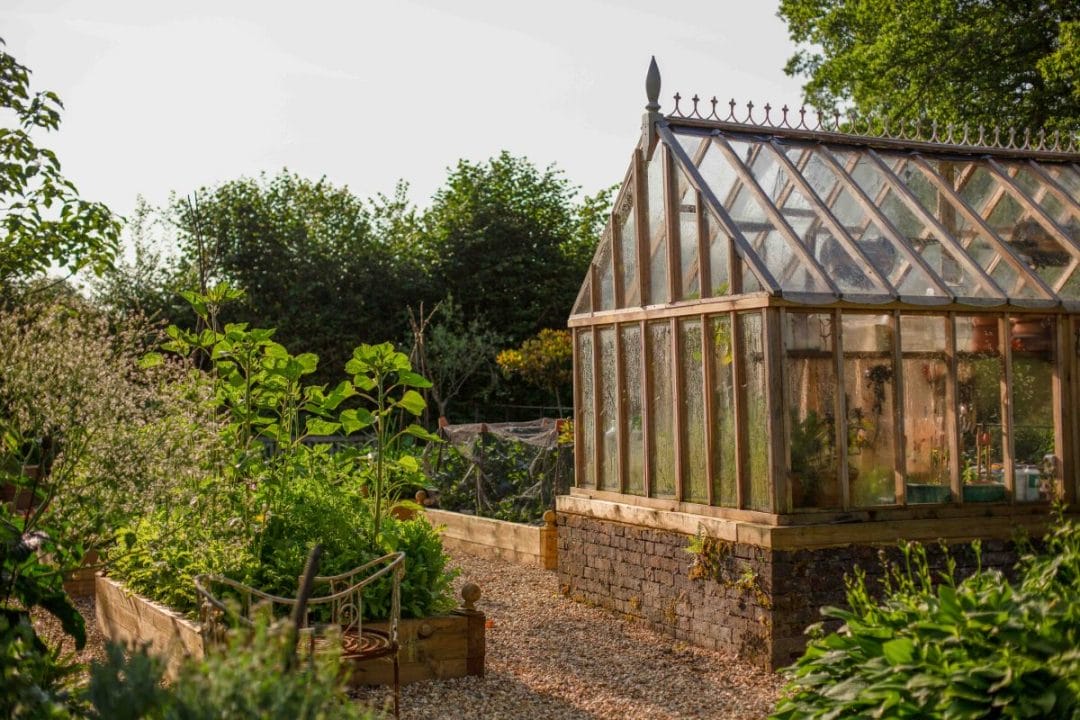
6. Consider Plant Size at Maturity
One of the most common gardening mistakes is choosing plants based solely on their appearance when purchased.
Before planting, research the mature height and spread of each plant. Giving plants sufficient space allows them to develop naturally, improves air circulation, and reduces future maintenance requirements.
A well-planned garden should look balanced not only today but also five or ten years from now.
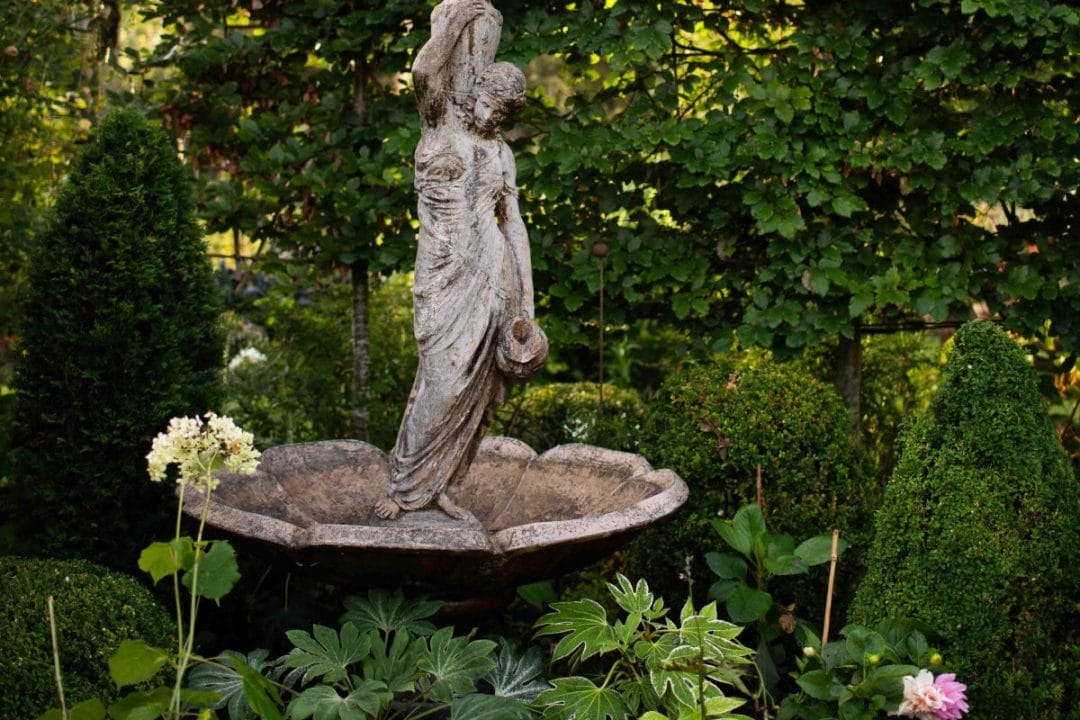
7. Plan for Year-Round Interest
A garden should offer visual appeal throughout every season. By combining plants with different flowering periods, foliage colours, textures and structural qualities, you can create a landscape that remains attractive all year.
Consider incorporating:
- Spring bulbs and flowering shrubs
- Summer perennials and ornamental grasses
- Autumn foliage and berries
- Evergreen shrubs for winter structure
Layering seasonal interest ensures your garden never feels empty or uninspiring.
8. Seek Professional Advice
Selecting the right plants can feel overwhelming, particularly when balancing aesthetics, maintenance requirements and environmental conditions.
Professional garden designers understand how to assess site conditions and create planting schemes that are both beautiful and sustainable. By choosing plants that naturally suit your garden, you can enjoy healthier growth, fewer problems and a landscape that continues to improve over time.
The secret to a thriving garden isn’t choosing the most exotic or fashionable plants—it’s choosing the right plants for the conditions you have. By understanding your sunlight levels, soil type, drainage, climate and garden goals, you’ll create a landscape that flourishes season after season.
If you’re planning a new garden or looking to revitalise an existing outdoor space, professional garden design can help ensure every plant is selected with purpose, creating a garden that’s beautiful, practical and built to last.
READ MORE