

A long, hot summer can be a mixed blessing for gardeners. While sunshine encourages flowering and outdoor enjoyment, prolonged heat and dry conditions often leave garden borders looking exhausted by the end of the season. Wilted perennials, scorched foliage, bare patches and tired soil can make even the most carefully designed planting schemes appear lacklustre.
The good news is that with a little attention, your borders can quickly regain their structure, colour and vitality. Here are our top tips for restoring tired borders and preparing them for a beautiful autumn and a strong start next spring.
Start with a Thorough Tidy-Up
The first step is to remove anything that is no longer contributing positively to the border. Cut back spent flower stems, remove dead or diseased foliage and clear away annuals that have reached the end of their display.
Many perennials will respond well to a light trim, encouraging fresh growth and sometimes even a second flush of flowers. Be careful not to remove plants that are still providing valuable late-season interest or seed heads for wildlife.
A tidy border instantly looks more cared for and allows you to assess exactly where attention is needed.

Assess Plant Performance
Hot summers often reveal which plants are truly suited to a garden’s conditions and which struggle during periods of drought.
Take note of:
- Plants that repeatedly wilt or scorch
- Areas where growth has been sparse
- Species that have thrived despite the heat
- Gaps that have appeared as plants have declined
This can be valuable information when planning future improvements. Replacing underperforming plants with more drought-tolerant alternatives can create a more resilient border that requires less maintenance in years to come.
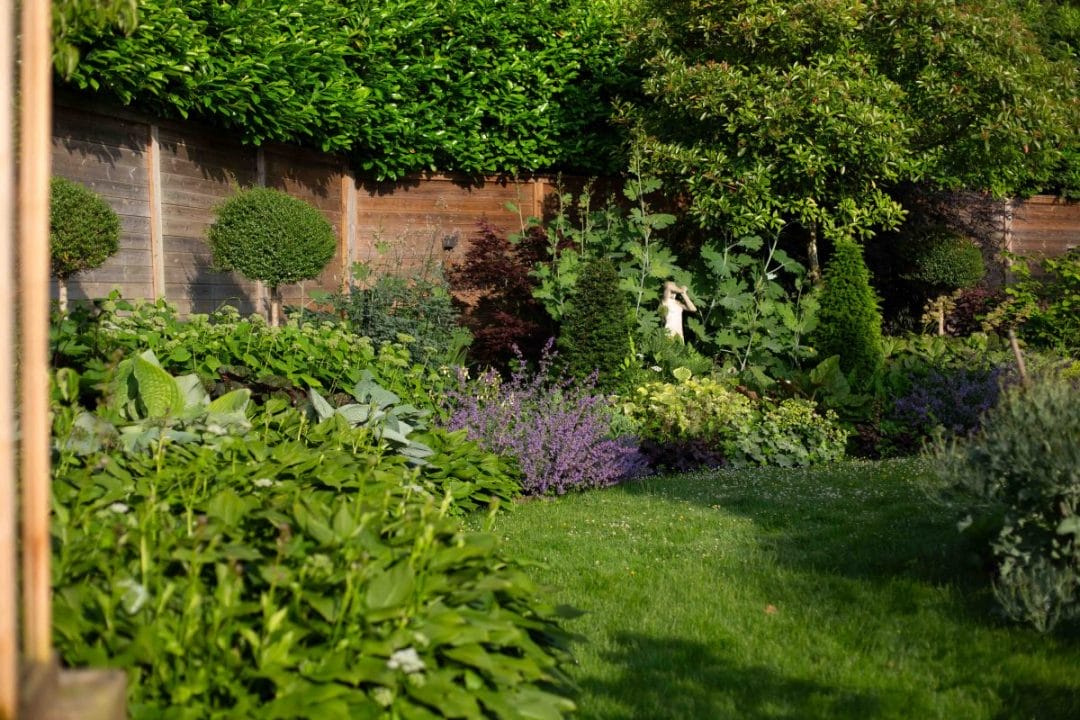
Replenish Moisture Levels
After months of dry weather, the soil may be severely depleted of moisture below the surface, even if rainfall has recently returned.
Water deeply rather than little and often. A thorough soaking encourages roots to grow deeper into the soil, making plants more resilient to future dry spells.
Late afternoon watering is generally most effective, reducing evaporation and giving plants access to moisture throughout the evening and night.
Fill Gaps with Seasonal Interest
Summer casualties can leave borders looking sparse. Introducing late-flowering perennials and ornamental grasses can restore colour and texture quickly.
Plants such as asters, sedums, Japanese anemones and rudbeckias provide valuable late-season displays, while ornamental grasses add movement and structure that often lasts well into winter.
Strategically filling gaps now can transform a tired border into a vibrant autumn feature.
Improve the Soil
Heat and drought can leave soil compacted, depleted and lacking in organic matter. One of the most beneficial tasks you can undertake is applying a generous layer of compost, well-rotted manure, or other organic mulch.
Mulching offers several benefits:
- Improves soil structure
- Increases moisture retention
- Suppresses weeds
- Encourages healthy soil biology
- Gradually releases nutrients back into the soil
Aim for a layer around 5–8cm deep, keeping mulch clear of plant stems and crowns.
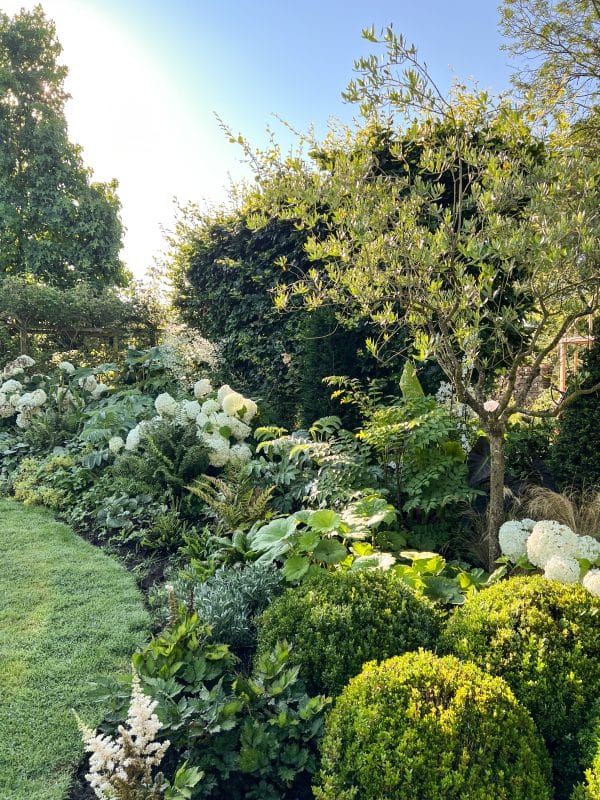
Feed Wisely
Plants that have endured prolonged heat may benefit from a gentle nutrient boost. Apply a balanced fertiliser or organic feed to support recovery and encourage healthy root development.
Avoid excessive feeding, particularly with high-nitrogen products, as this can encourage soft growth that may struggle as temperatures begin to cool.
Healthy soil combined with sensible feeding is usually the most effective long-term approach.
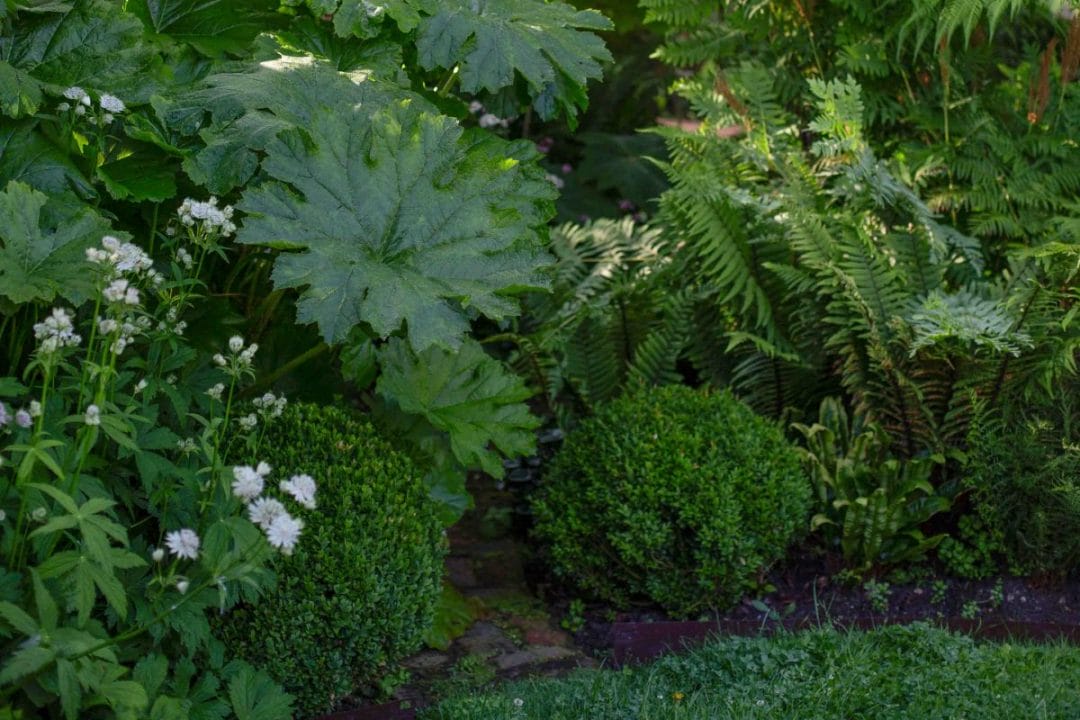
Divide and Rejuvenate Overcrowded Perennials
Autumn is an excellent time to divide many herbaceous perennials. Plants that have become congested often produce fewer flowers and may develop dead centres.
Dividing and replanting offers several benefits:
- Rejuvenates older plants
- Improves flowering performance
- Creates additional plants for other areas of the garden
- Restores balance within the border
This simple task can dramatically improve the appearance and health of a planting scheme.
Plan Ahead for Next Year
While restoring tired borders, it’s also worth considering how the garden performed throughout the summer.
Ask yourself:
- Were there enough drought-tolerant plants?
- Did the border provide interest throughout the season?
- Were irrigation systems adequate?
- Are there opportunities to improve resilience to future heatwaves?
A thoughtful review now can inform planting decisions that make next year’s garden more attractive, sustainable and easier to manage.
Bringing Borders Back to Life
A hot summer doesn’t have to mean the end of your garden’s beauty. With careful maintenance, soil improvement and strategic planting, even the most tired borders can be revived and refreshed.
At Verdis, we help homeowners create planting schemes that look beautiful throughout the seasons while remaining resilient to increasingly unpredictable weather conditions. Whether your borders need a simple refresh or a complete redesign, our expert team can help you unlock their full potential.
READ MORE