

At Verdis, we believe gardens should be beautiful, enjoyable spaces for people and welcoming havens for wildlife. With natural habitats under increasing pressure, our gardens can play a vital role in supporting birds, insects and other creatures right on our doorstep.
Whether you have a small urban garden or a large rural plot, here are the key things to consider when creating a truly wildlife-friendly garden.
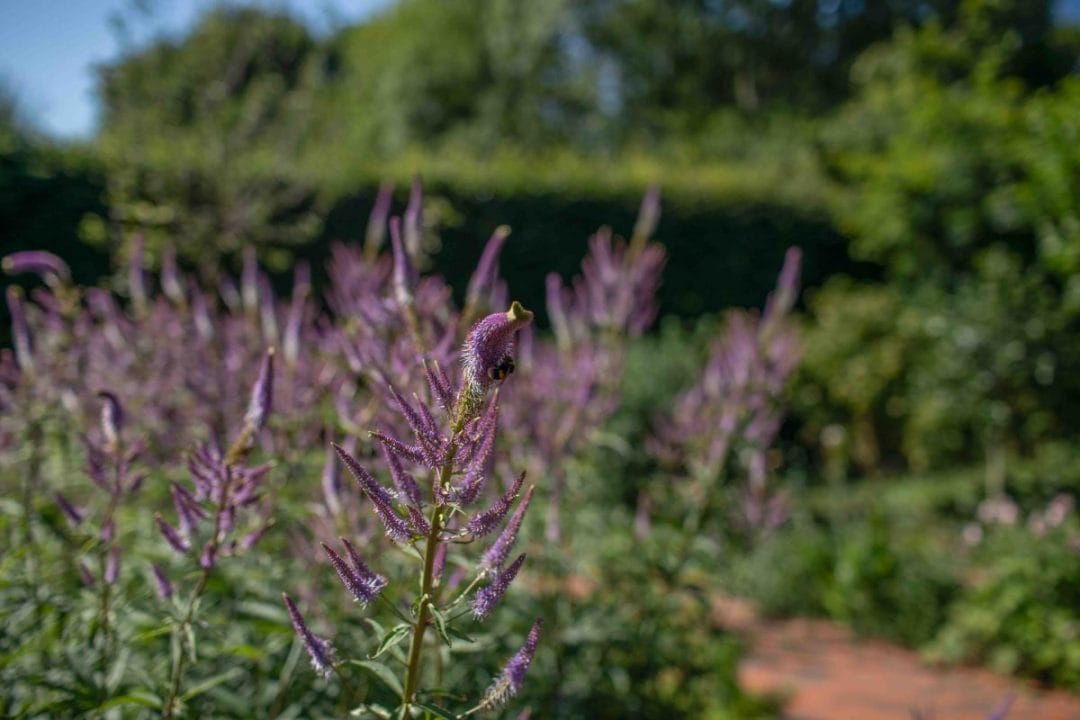
The plants you choose form the foundation of a wildlife-friendly garden. Wherever possible, native plants are a great choice as they have evolved alongside local wildlife and provide the most suitable sources of food and shelter. A diverse mix of trees, shrubs, perennials and grasses helps create layers within the garden, supporting a wide range of species. Nectar-rich flowers such as lavender, foxgloves and buddleia are especially valuable for bees and butterflies, while berry- and seed-producing plants provide vital food for birds later in the year.
In addition to planting, creating a variety of habitats encourages wildlife to settle and thrive. Gardens that offer places to hide, nest and over winter are far more attractive to animals. Leaving a small area of grass unmown or introducing a wildflower patch can provide shelter and food for insects. Log piles, leaf piles and stone stacks create valuable hiding places for beetles, frogs and hedgehogs, while hedges and dense shrubs offer safer alternatives to fences. Installing bird boxes, bat boxes or insect hotels in quiet areas can further enhance your garden’s appeal to wildlife.

Water is another essential element that should not be overlooked. A garden pond is one of the most beneficial features you can introduce, supporting a wide range of species including amphibians, insects and birds. Where space is limited, a shallow bird bath or water dish is still extremely valuable. It’s important to ensure there is a gentle slope or escape route so animals can access water safely. During hot weather and freezing winters, keeping water sources topped up can be lifesaving for wildlife.
Avoiding chemical products is key to maintaining a healthy garden ecosystem. Pesticides, herbicides and artificial fertilisers can harm beneficial insects and disrupt natural food chains. By encouraging natural predators such as birds, frogs and ladybirds, pest populations can often be kept under control naturally. Improving soil health with compost and organic mulches helps plants grow stronger and more resilient, reducing the need for chemical intervention. Accepting a little damage to leaves is often a sign that your garden is supporting life.
A wildlife-friendly garden also benefits from a more relaxed approach to tidiness. Leaving seed heads on plants through winter provides food for birds, while fallen leaves collected in quiet corners offer shelter for insects and small animals during colder months. Delaying pruning until spring can help protect overwintering wildlife and give your garden a head start when the growing season begins.
Finally, it’s important to consider how your garden supports wildlife throughout the year. Early-flowering plants are crucial for pollinators emerging in spring, while summer flowers provide ongoing nectar and pollen. In autumn, berries and seeds become an important food source, and evergreen plants, dense shrubs and log piles offer protection during winter. Thinking seasonally ensures your garden remains a valuable habitat all year round.

Creating a wildlife-friendly garden doesn’t mean sacrificing beauty or structure. With thoughtful choices and a willingness to work with nature, you can create a garden that is vibrant, balanced, and full of life. If you would like advice or support in designing or maintaining a garden that benefits wildlife, the team at Verdis would be happy to help. Together, we can create gardens that give something back to nature.
READ MORE