

Pruning is one of those essential gardening tasks that can seem daunting at first—but it’s one of the best things you can do for your plants. Done correctly, pruning improves plant health, encourages better flowering and fruiting and helps keep your garden neat and manageable.
WHY PRUNE?
Pruning serves many purposes beyond just tidying up your plants. Removing dead, damaged or diseased wood improves the health of a plant by directing energy into strong growth. Shaping plants helps maintain their size and appearance, while thoughtful pruning can also improve air circulation and light penetration—essential for preventing fungal problems. Above all, pruning encourages better flowering and fruiting, helping your plants perform at their best.

How to Prune Common UK Garden Plants
Roses are one of the most beloved plants in UK gardens, and they thrive with regular pruning. The best time to prune most roses is in late winter to early spring, around February or March, when you can clearly see the shape of the plant and the new buds just beginning to swell. For bush roses like hybrid teas and floribundas, cut stems back to about three to five strong buds from the base. With climbing roses, focus on removing any dead or weak growth and tying in new shoots horizontally to promote flowering along the length of the stem. Always prune just above an outward-facing bud to direct growth away from the centre of the plant.
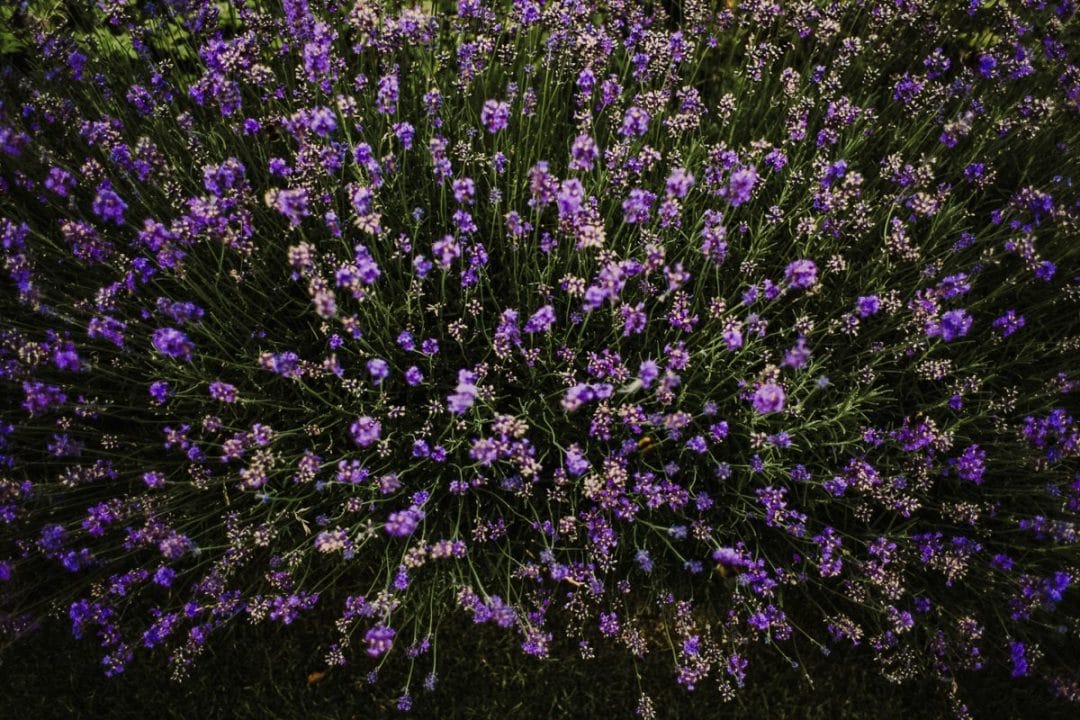
Lavender, particularly English varieties like Lavandula angustifolia, should be pruned in late summer, just after flowering has finished. Trim back the faded flower stalks and lightly shape the plant to maintain a compact form. Be careful not to cut into the old woody stems, as lavender doesn’t regenerate well from hard cuts. Light annual pruning helps prevent the plant from becoming leggy and woody over time.
Hydrangeas need a little more attention to detail, as different types require different approaches. For mophead and lacecap hydrangeas (Hydrangea macrophylla), leave the faded flower heads over winter to protect new growth, then prune in late February or March by cutting back to the first strong pair of buds below the spent bloom. On the other hand, panicle (Hydrangea paniculata) and smooth (Hydrangea arborescens) hydrangeas can be cut back harder in early spring, which encourages larger but fewer flowers.


For fruit trees like apples and pears, pruning is usually done in winter between November and February to shape the tree and encourage fruiting. The aim is to create an open, goblet-shaped structure that allows light and air into the centre. Remove crossing or crowded branches and reduce last year’s growth by about a third. If your tree is trained or restricted (such as cordons or espaliers), a summer prune in July or August helps control size and encourages the development of fruiting spurs.
Wisteria is another popular garden favourite that benefits from a two-prune system. In July or August, cut back the long, whippy green shoots to about five or six leaves to tidy the plant and encourage flower bud formation. Then, in January or February, go back over those same shoots and shorten them again to just two or three buds. This double prune helps maintain shape and maximises flowering.
For flowering shrubs like forsythia, flowering currant (Ribes sanguineum) and mock orange (Philadelphus), timing is everything. These plants bloom on old wood, so pruning should be done immediately after flowering. Remove up to a third of the oldest stems at the base to keep the plant open and rejuvenated, while also thinning out any overcrowded growth.
General Tips for Successful Pruning
Always use clean, sharp tools to make precise cuts and reduce the risk of disease. When making a cut, angle it at about 45 degrees just above a bud, ideally one pointing in the direction you’d like new growth to follow. Take your time, step back often to assess the plant’s shape, and don’t be afraid—most healthy plants respond very well to pruning. Regular maintenance not only keeps your garden looking its best but also reduces the need for drastic cuts later on.
Pruning can seem technical at first, but it’s one of the most satisfying parts of gardening once you understand the principles. It allows you to work with nature, shaping your plants to thrive in your space while enhancing their health, beauty and productivity. Whether you’re gently shaping lavender or giving your apple tree a winter haircut, a thoughtful approach to pruning will reward you season after season.
If you’re unsure where to start or want hands-on help in the garden, our expert team is always happy to offer advice or provide seasonal pruning services. Let us help you keep your garden looking and feeling its very best.

READ MORE