

Few garden styles are as iconic—or as enduring—as the classic English formal garden. Defined by symmetry, structure and a sense of grandeur, this style has its roots in Tudor and Elizabethan gardens and was refined through the Georgian era into the stately designs we admire today. With neatly clipped hedges, geometric layouts, and carefully selected planting, a formal garden offers both year-round structure and seasonal delight.
Start with Structure and Symmetry
The foundation of any formal garden is its layout. Think balance, order and repetition. Traditional designs are based on geometric patterns—often a central axis or path with mirrored beds or parterres on either side.
Design Tip:
Sketch out a plan on paper before you begin, keeping focal points in mind (like a sundial, statue, or small fountain). Paths should be straight and clearly defined—gravel, brick, or stone are classic choices.


Frame with Evergreen Hedges
Box (Buxus sempervirens) is the traditional choice for low hedging, perfect for outlining beds and creating intricate knot garden patterns. Yew (Taxus baccata) is often used for taller hedges and topiary.
Modern Alternatives:
Due to box blight and caterpillar issues, some gardeners now opt for Ilex crenata (Japanese holly) or Lonicera nitida as box substitutes. They offer similar texture and are more resilient.
Create Elegant Parterres
Parterres are patterned garden beds enclosed by low hedges, often filled with colourful, low-growing plants. They can be as simple or elaborate as you like.
Plant Ideas:
Use lavender, thyme or hardy geraniums inside the parterres. Seasonal planting—like tulips in spring or salvias in summer—can bring vibrancy to the structure.


Introduce Classic Features
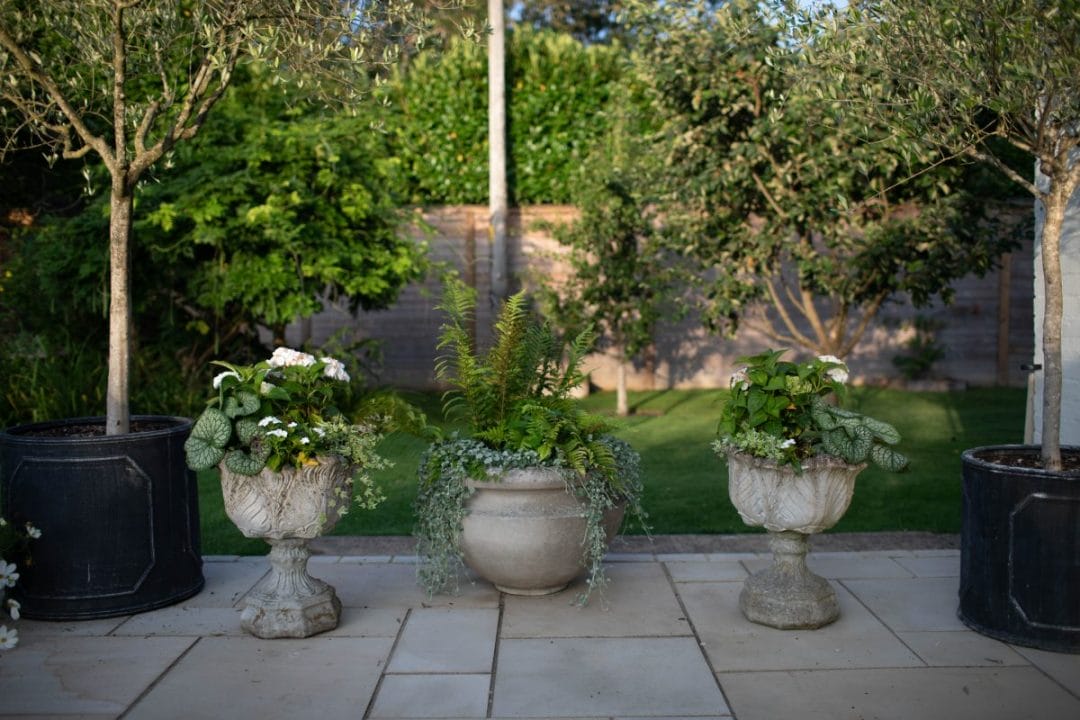
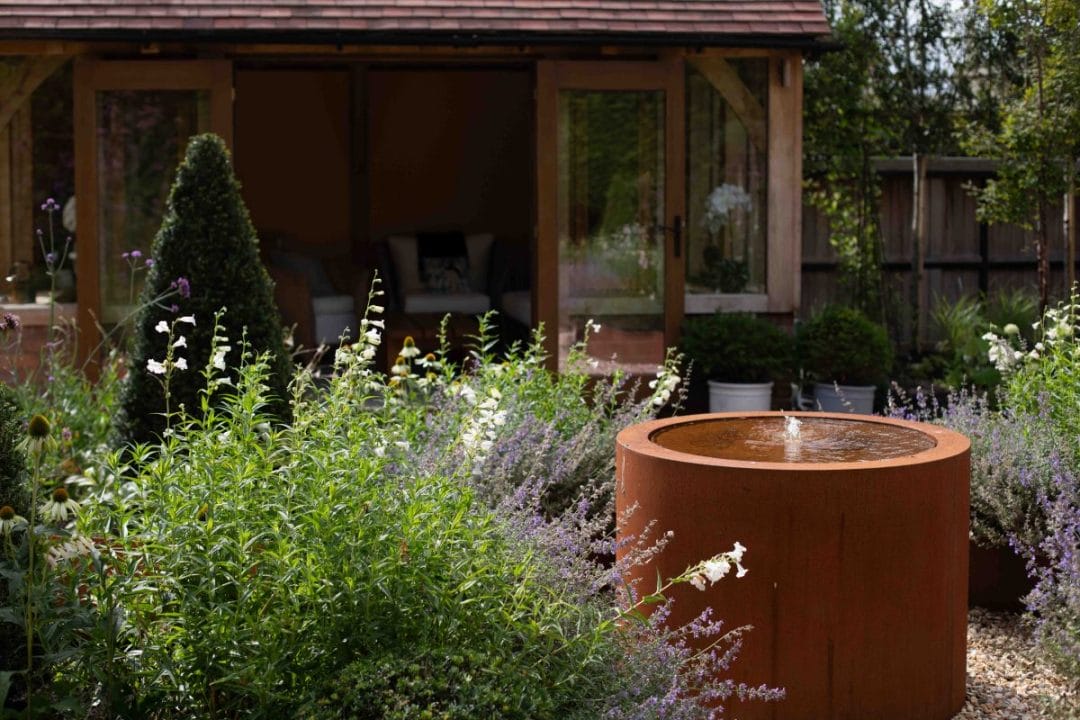
Water features, statues and urns add a sense of permanence and focal interest. Traditional elements like wrought iron gates, trellises or an orangery-style greenhouse can complete the look.
Don’t forget seating:
A painted bench or stone seat tucked into a hedge alcove is both practical and picturesque.
Keep Planting Restrained and Repetitive
Unlike cottage gardens, formal gardens use a limited palette of plants, repeated to create rhythm and calm. Roses (especially David Austin varieties), peonies, foxgloves and delphiniums all fit beautifully within a formal framework.
Colour Schemes:
Stick to classic tones—whites, purples, blues and soft pinks work well. Too many colours can overwhelm the clean lines of the design.
Maintain with Care
A formal garden does require upkeep to retain its sharp lines and symmetry. Regular pruning, edging, weeding and deadheading are essential.
Topiary Tip:
Trim topiary and box hedging 2–3 times per year to keep shapes crisp. The first cut is usually in late spring or early summer.
Creating a classic English formal garden is about more than aesthetics—it’s about crafting a space that feels calm, elegant and grounded in tradition. With careful planning, considered planting and a touch of personal flair, you can bring this timeless style to life in your own outdoor space.
Whether you’re redesigning an entire plot or simply adding formality to a section of your garden, our team can help you plan and plant with confidence.
READ MORE