
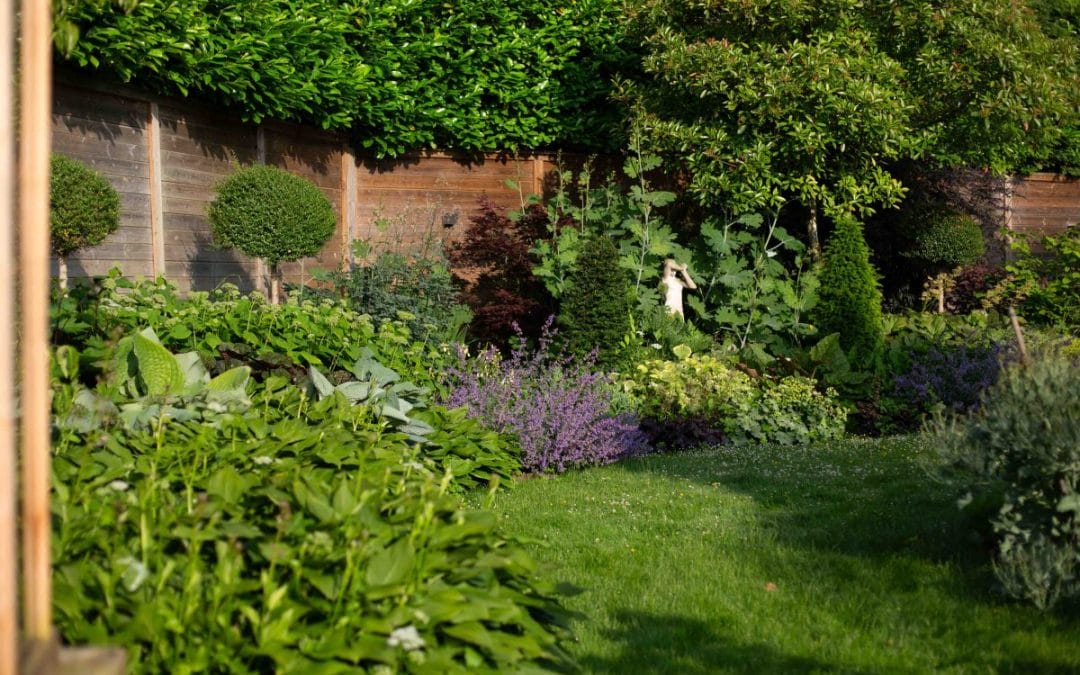
When temperatures soar and rain becomes a distant memory, even the healthiest gardens can begin to struggle. Wilting flowers, scorched lawns and dry soil are all common signs that a heatwave is taking its toll. But with the right care and a few smart gardening habits, you can keep your outdoor space looking vibrant and healthy all summer long.
Here’s how to help your garden survive — and thrive — during extreme heat.
Water Wisely, Not Constantly
One of the biggest mistakes gardeners make during a heatwave is watering too little and too often. Light watering encourages shallow roots, making plants more vulnerable to drought.
Instead, water deeply a few times a week so moisture reaches the roots properly. Early mornings or in the evenings are the best time to water, as cooler temperatures reduce evaporation and give plants time to absorb moisture before the heat of the day.
Avoid watering in direct sunlight where possible, as much of the water can evaporate before it benefits your plants.

Mulch Is Your Best Friend
Adding a layer of mulch around your plants can make a dramatic difference during hot weather. Mulch helps the soil retain moisture, keeps roots cooler and reduces weed growth.
Organic materials such as bark chips, compost, straw, or grass clippings work particularly well. Spread mulch around flower beds, shrubs and vegetable patches to lock in hydration and protect delicate roots from overheating.

Protect Plants from Scorching Sun
Some plants can cope with intense sunlight better than others. Delicate flowers, young seedlings and leafy vegetables are especially vulnerable during heatwaves.
Temporary shade can help prevent leaf scorch and dehydration. Garden umbrellas, shade cloths, or even lightweight sheets secured over supports can provide relief during the hottest parts of the day.
Container plants are especially at risk because pots dry out much faster than garden soil. Move them into partial shade if possible.
Feed Carefully During Hot Weather
It may seem logical to give plants extra fertiliser during stressful conditions, but too much feeding in a heatwave can do more harm than good. Fertilisers encourage fresh growth, which often needs even more water to survive.
Focus instead on maintaining soil health and hydration. If feeding is necessary, use gentle liquid feeds sparingly and only when plants are well-watered.
Don’t Forget Your Lawn
Lawns often turn brown during periods of intense heat, but that doesn’t necessarily mean they’re dead. Grass naturally goes dormant in extreme temperatures to conserve energy.
To keep your lawn healthier:
- Raise your mower blades slightly to avoid cutting grass too short
- Leave grass clippings on the lawn to help retain moisture
- Water thoroughly once or twice a week rather than little and often
Try not to panic-water every dry patch — your lawn will usually recover once temperatures cool and rain returns.
Choose Heat-Tolerant Plants
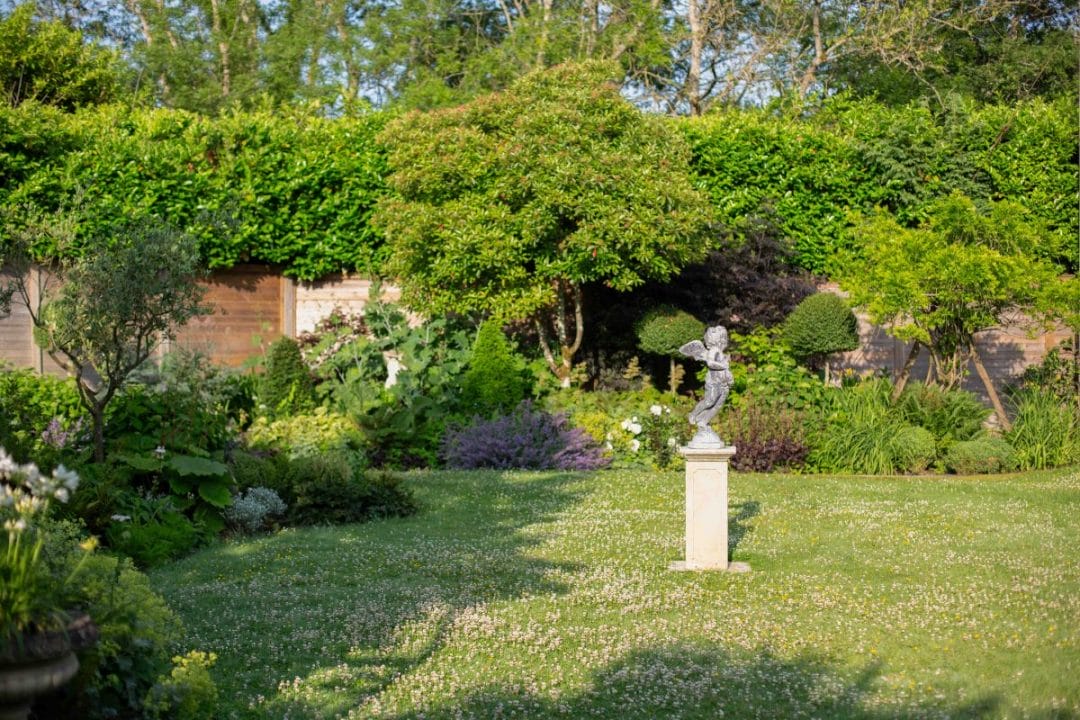
If heatwaves are becoming more common in your area, it may be worth introducing more drought-resistant plants into your garden design.
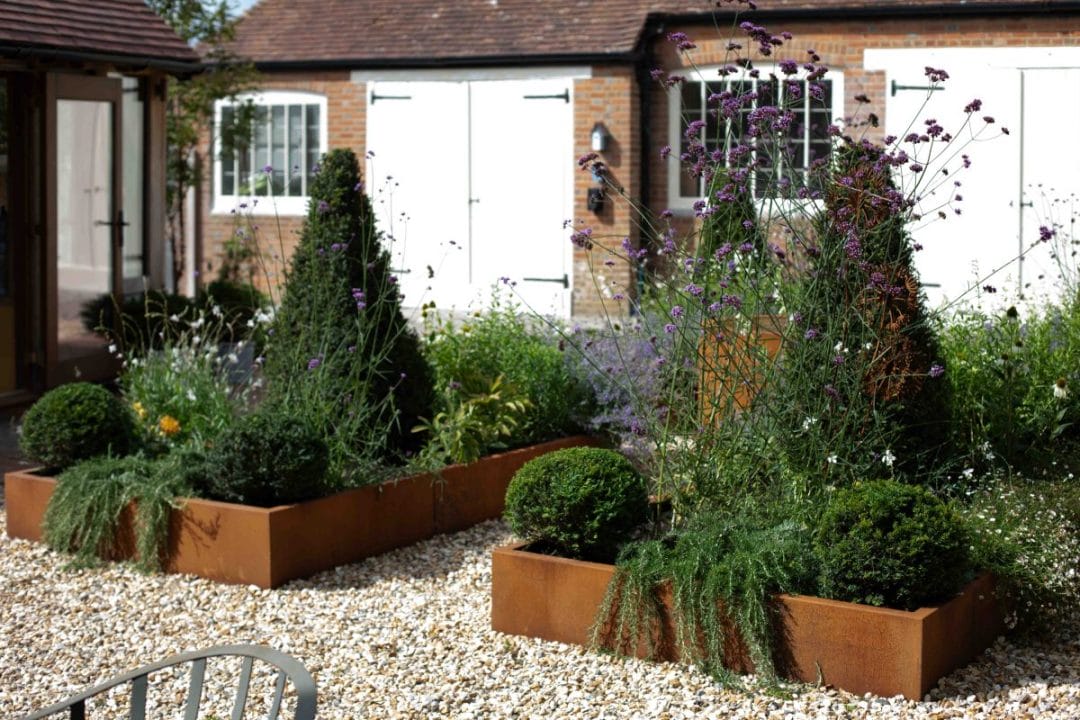
Plants such as lavender, sedum, salvia, verbena and ornamental grasses cope particularly well with hot, dry conditions while still adding plenty of colour and texture.
Mediterranean-style planting schemes are becoming increasingly popular because they combine beauty with resilience.
Keep an Eye Out for Heat Stress
Plants often give warning signs before serious damage occurs. Watch for:
- Wilting leaves
- Crispy brown edges
- Drooping stems
- Flower loss
- Dry, cracked soil
Act quickly when you spot these symptoms by watering deeply and providing temporary shade where needed.
A Healthy Garden Starts with Healthy Soil
Strong soil is the foundation of a resilient garden. Soil rich in organic matter holds moisture more effectively and supports healthier root systems.
Adding compost regularly improves soil structure and helps plants withstand periods of drought much better than poor, dry soil.
Heatwaves can be challenging for gardeners, but they don’t have to ruin your outdoor space. By watering correctly, improving moisture retention and protecting vulnerable plants, you can keep your garden looking fresh and colourful even during the hottest weeks of summer.
A little preparation and consistent care go a long way — and your plants will thank you for it when cooler weather finally returns.
READ MORE