
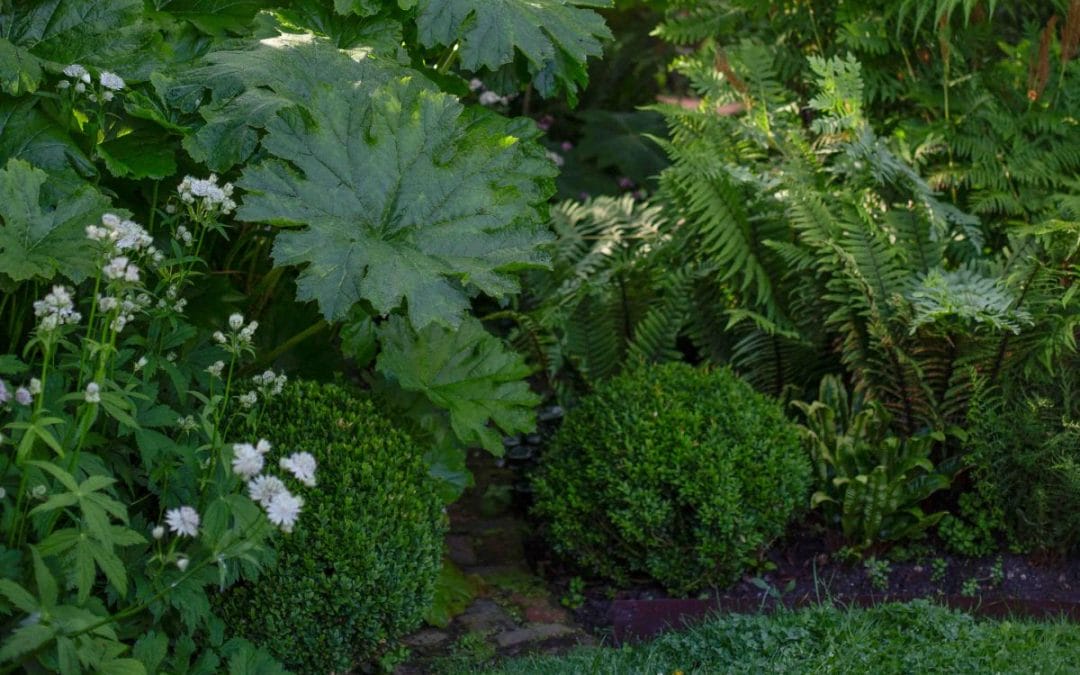
Creating a beautiful garden starts with choosing plants that will genuinely thrive in your outdoor space, rather than simply selecting varieties that look appealing at the garden centre. Every garden has its own unique environment, shaped by factors such as sunlight, soil type, drainage, moisture levels and exposure to wind. Understanding these conditions will help you create a garden that not only looks stunning throughout the year but is also easier to maintain and far more sustainable in the long term.
Start by Understanding Your Garden
Successful garden design is about working with the natural conditions of your space rather than trying to fight against them. Before choosing any plants, it’s important to spend time observing your garden carefully. Even relatively small gardens can contain several microclimates, with certain areas receiving full sun while others remain shaded or sheltered. Paying attention to how sunlight moves across the garden during the day, how quickly the soil dries after rain and which areas are exposed to strong winds will help guide your planting decisions.

Assess Sunlight Throughout the Day
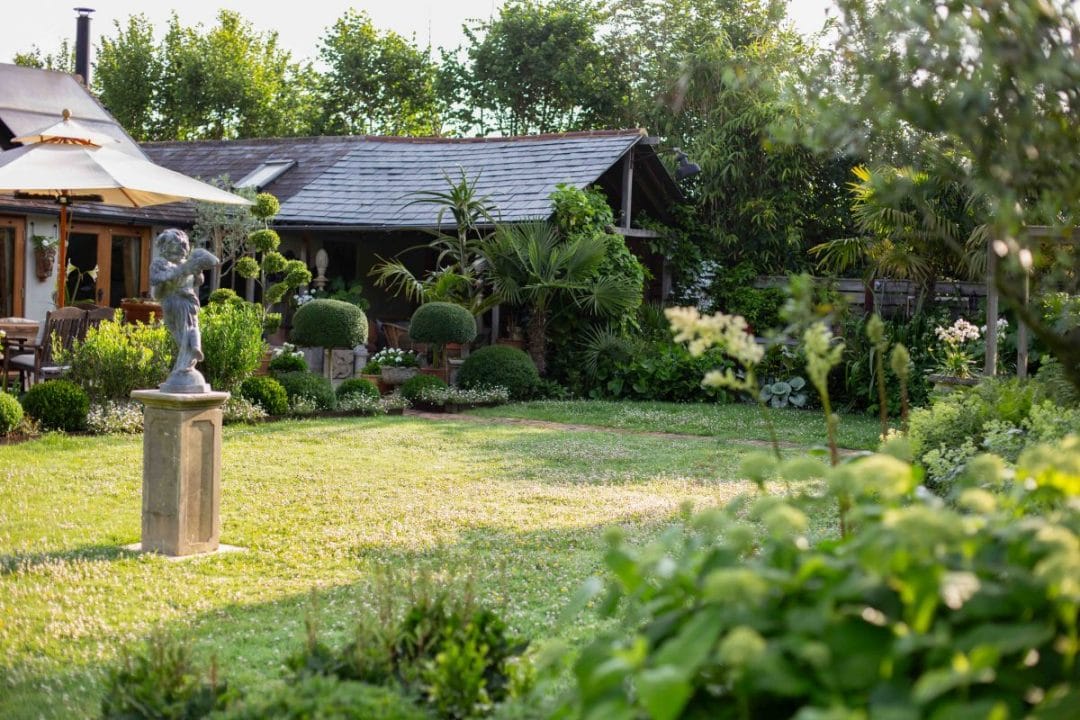
Light levels are one of the most important factors in determining which plants will perform well. Areas that receive at least six hours of direct sunlight each day are ideal for sun-loving plants such as lavender, roses, salvia, ornamental grasses and Mediterranean herbs. These plants thrive in warm, bright conditions and often produce the best flowers and foliage when exposed to plenty of sunlight. In contrast, partially shaded areas suit plants like hydrangeas, foxgloves, heuchera and Japanese anemones, which prefer a balance of sun and cooler conditions. Fully shaded spaces can also be transformed into lush and attractive planting areas with the right choices, including ferns, hostas, astilbe, ivy and shade-tolerant evergreen shrubs.
Understand Your Soil Type
Soil type also plays a major role in plant health and growth. Clay soils tend to retain moisture and nutrients well but can become heavy and compacted, especially during wet weather. Plants such as asters, rudbeckia, viburnum and dogwood often perform well in these conditions. Sandy soils, on the other hand, drain quickly and warm up faster in spring, although they can sometimes lack nutrients and dry out rapidly during summer. Drought-tolerant plants including lavender, sedum, verbena and agapanthus are usually well suited to sandy conditions. Loamy soil is often considered the ideal garden soil because it balances drainage, fertility and moisture retention, allowing a wide range of plants to flourish, from roses and peonies to delphiniums, herbs and vegetables.
Consider Drainage and Moisture
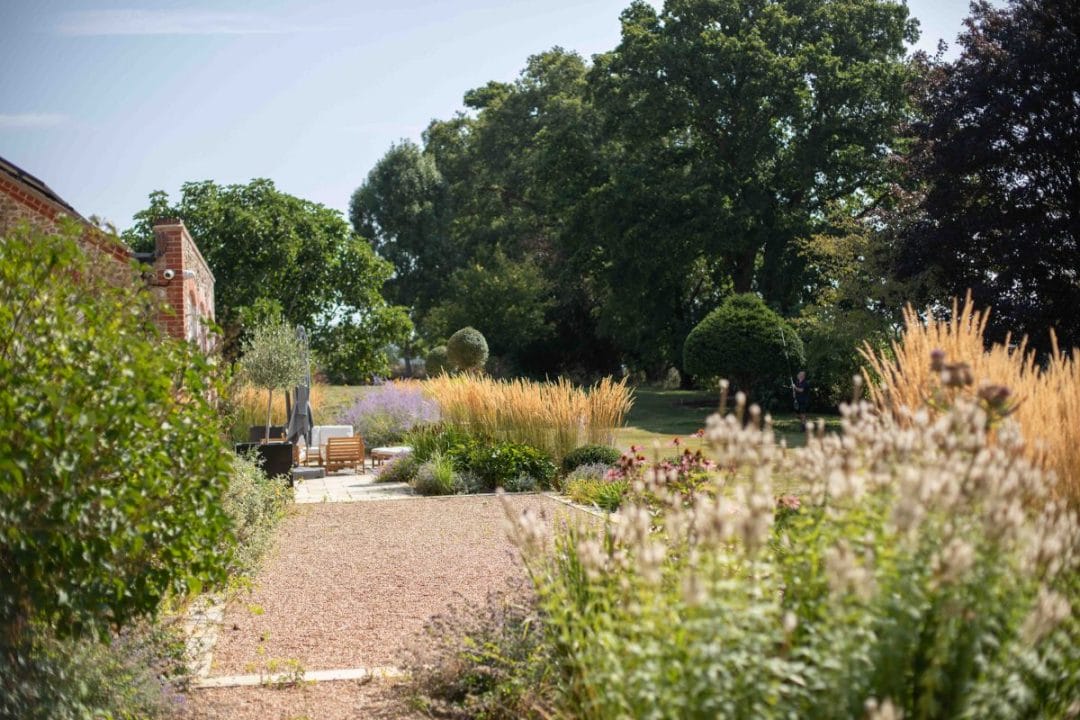
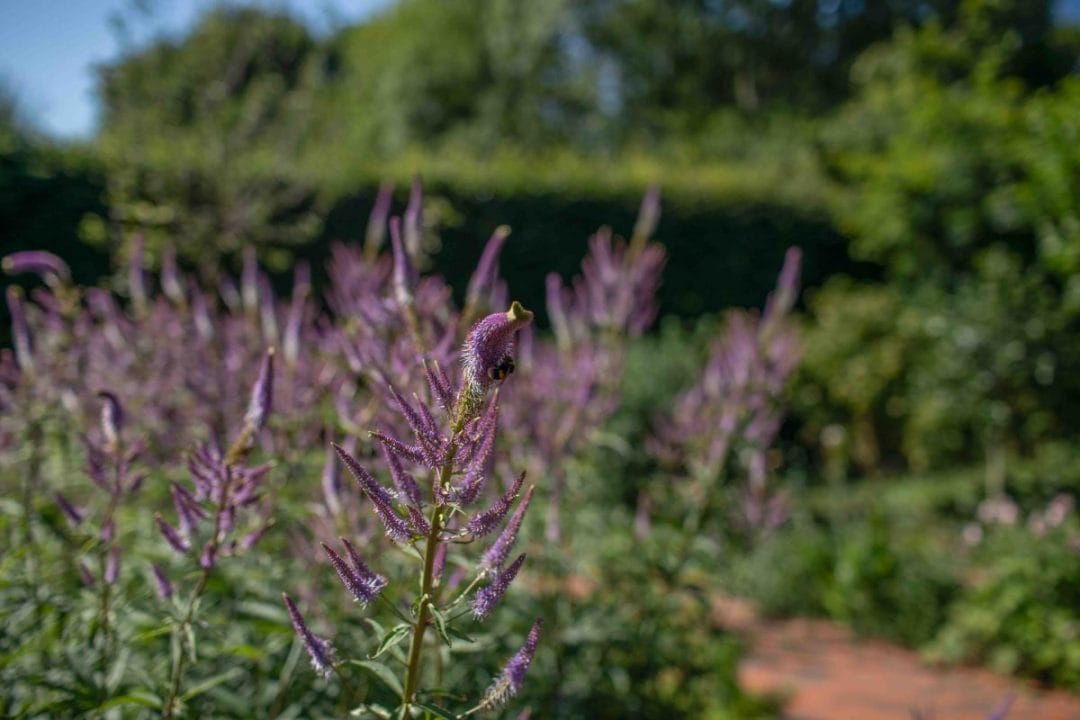
Drainage and moisture levels should also influence your planting scheme. Some gardens naturally hold water and remain damp for much of the year, while others dry out quickly during warmer months. Choosing plants that suit these moisture conditions will improve their long-term health and reduce maintenance requirements. Moisture-loving plants such as iris, ligularia and ornamental grasses are ideal for wetter areas, while drought-tolerant choices like echinacea, rosemary, yarrow and lavender are better suited to dry borders and free-draining soils.
Think About Wind and Exposure
Wind exposure is another important consideration, particularly for coastal, rural, or elevated gardens. Strong winds can damage delicate plants, dry out soil and hinder healthy growth. Hardy plants such as hebe, pittosporum, escallonia and ornamental grasses are often reliable choices for exposed locations. Incorporating hedging, trellises, or structural planting can also help create sheltered zones within the garden, improving growing conditions for more sensitive plants.
Choose Plants That Suit the Size of Your Garden
When planning your planting scheme, it’s equally important to consider the mature size of each plant. One of the most common garden design mistakes is overcrowding, often caused by planting small young shrubs too closely together without considering their eventual spread. Allowing adequate spacing between plants not only creates a healthier garden environment but also ensures each plant has room to develop properly and contribute to the overall design.
Plan for Year-Round Interest
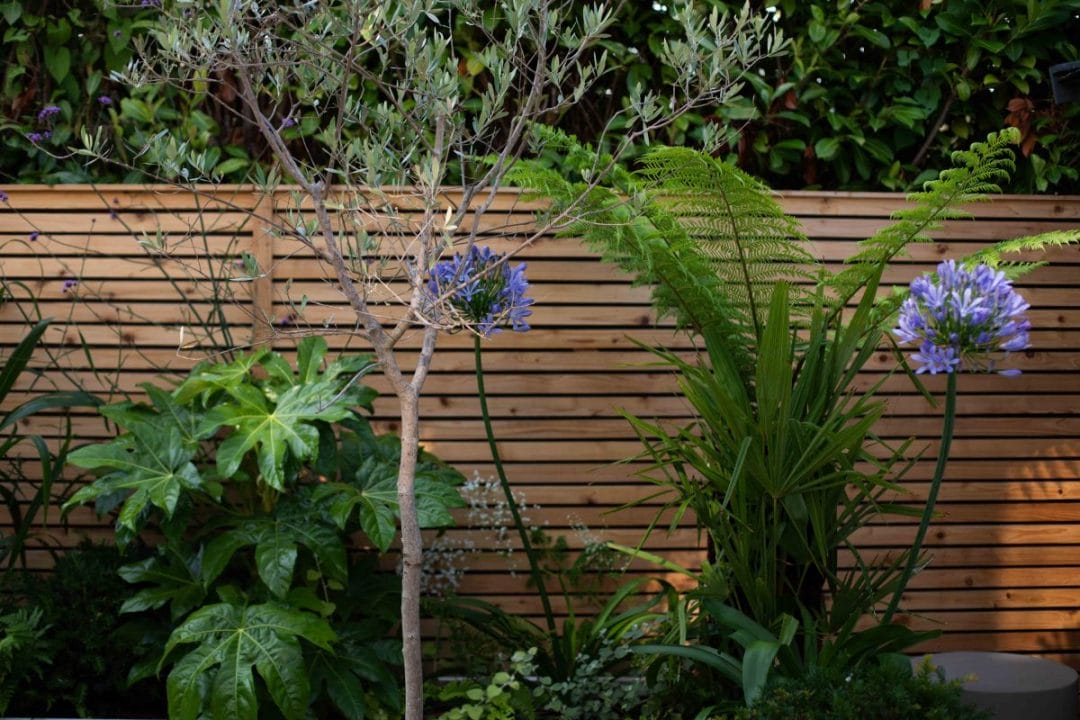
A well-designed garden should offer visual interest throughout the seasons, not just during summer. Combining evergreen structure with seasonal flowers, autumn foliage, ornamental grasses, berries and winter stems helps create a balanced and dynamic outdoor space all year round. Layering different heights, textures and flowering periods can add depth and character to borders while ensuring the garden always has something to offer.

Prioritise Low-Maintenance Planting Where Needed
For homeowners seeking a lower-maintenance garden, choosing plants naturally suited to the local environment is one of the most effective approaches. Hardy perennials, drought-tolerant planting, native species and evergreen shrubs can all reduce the need for excessive watering, feeding and pruning while still delivering beautiful results.
Don’t Be Afraid to Ask for Professional Advice
Planting design can sometimes feel overwhelming, particularly when trying to balance colour palettes, flowering times, textures and site conditions. Working with a professional garden designer can help simplify the process and ensure your planting scheme is tailored specifically to your outdoor space and lifestyle.
Ultimately, choosing the right plants is about creating harmony between your garden and its natural environment. By understanding the conditions within your garden and selecting plants that are well suited to them, you can create an outdoor space that is healthier, easier to maintain and visually appealing throughout every season. Thoughtful plant selection forms the foundation of every successful garden, whether you’re transforming a compact courtyard or redesigning a large family landscape.
READ MORE