
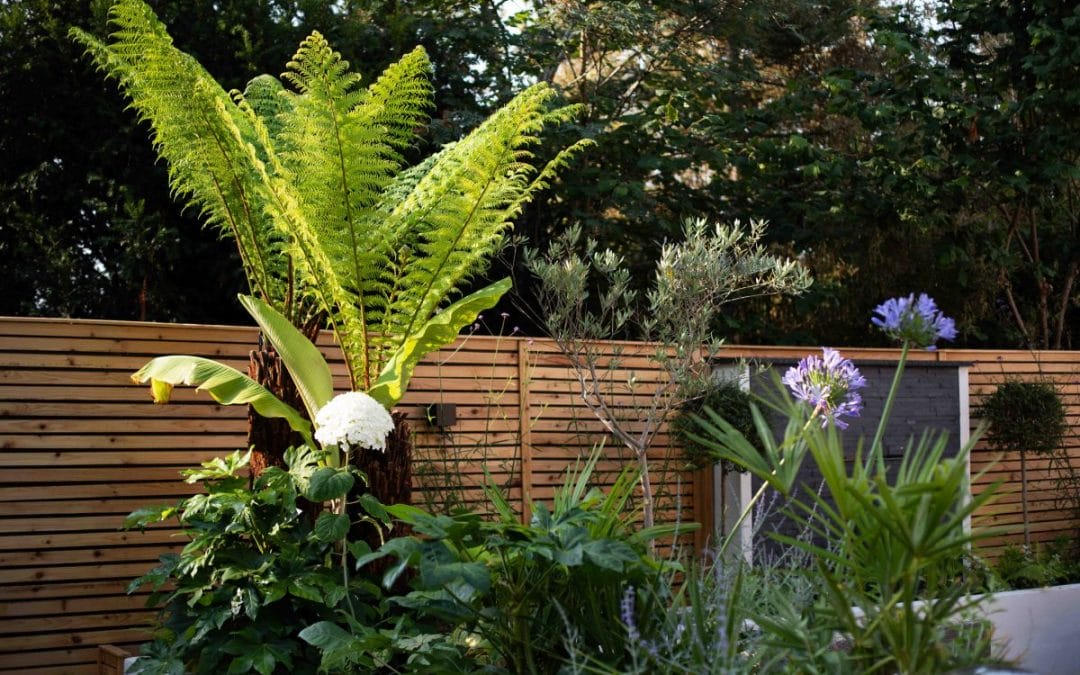
Architecture is often seen as the art of creating built environments, while garden design is the art of curating natural ones. But when these two disciplines come together with intention, the result is a seamless, harmonious living space that feels both grounded and inspired. A thoughtfully designed garden can elevate architecture, softening lines, enhancing views and forging a deeper connection between a building and its environment.
Echoing Architectural Lines in the Landscape
One of the most effective ways garden design can complement architecture is by reflecting the shapes, angles and materials of a building. For example, a modern home with strong geometric lines can be paired with neatly clipped hedges, rectilinear planting beds or stone paths that echo the structure’s form. In contrast, an old-world cottage might call for organic, flowing lines and soft textures that enhance its rustic charm.

Blurring the Boundaries Between Indoors and Out
Today’s homes often emphasise indoor-outdoor living, and the transition between the two spaces can be enhanced through smart garden design. Positioning patios, decks or garden features to align with interior sightlines can create continuity. Planting schemes that “creep” toward windows or architectural features like pergolas, overhangs or atriums help unify both realms.
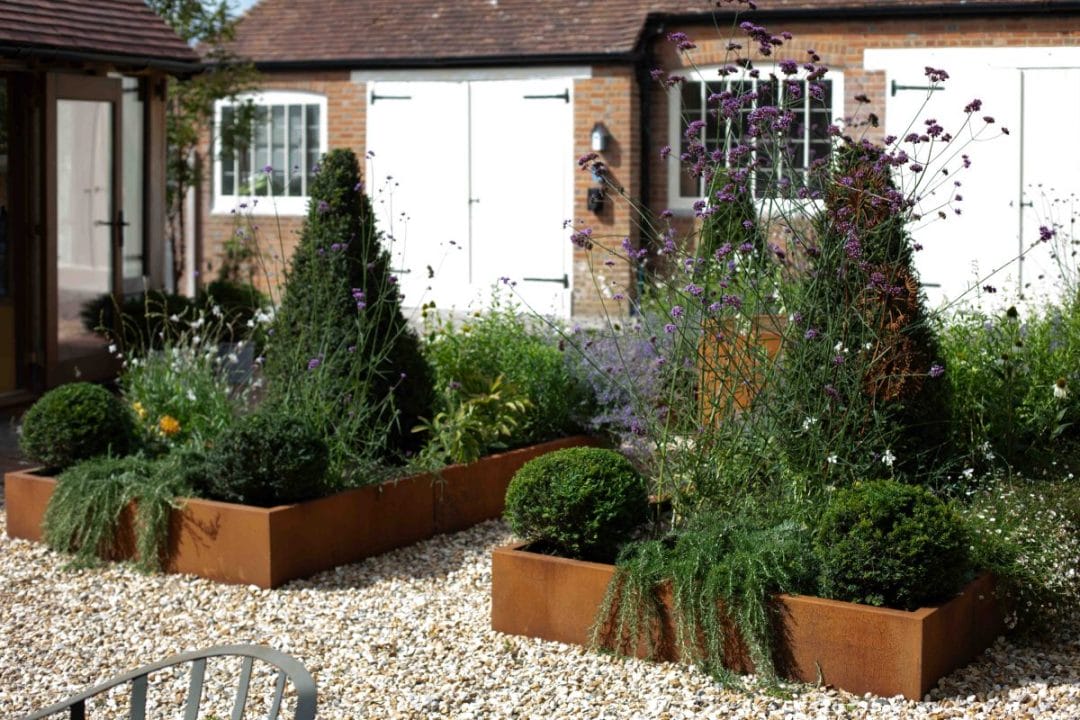
Material Synergy
Using similar or complementary materials in the garden as those used in the building’s exterior can tie the entire property together. If a house features cedar cladding, incorporating wood into the garden—via fencing, decking or planters—can echo that aesthetic. Stone façades pair beautifully with gravel paths or boulders used in landscaping.
Framing the Architecture
Just as a picture frame enhances a painting, strategic planting can enhance a structure. Tall trees can lend drama to minimalist homes, while flowering vines can add softness to stark facades. Structural plantings—like rows of pleached trees or sculptural shrubs—can act as natural extensions of a building’s silhouette, drawing attention to key features like entryways or large windows.
Creating Rhythm and Flow
Garden paths, rows of plants or stepped levels in landscaping can guide movement and create rhythm, much like the layout of a home’s interior. Aligning garden “rooms” with architectural zones (like aligning an herb garden with a kitchen, or a serene seating area with a bedroom window) fosters a cohesive, intentional experience of the entire space.
Playing with Contrast
Sometimes, contrast can be just as powerful as harmony. A sleek, modern home might look even more striking when nestled in a wild, lush garden. Likewise, a classical structure can gain an unexpected twist with contemporary garden sculpture or minimalist planting. The key is intention—using contrast to enhance, not clash.
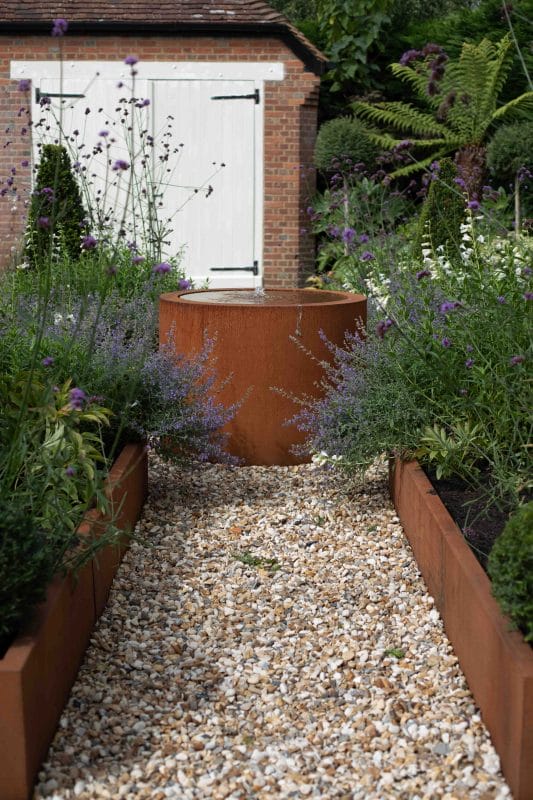
Honoring Context
Architecture and landscape design should both respond to the climate, culture and ecology of a place. A desert home benefits from xeriscaping that reflects its arid environment; a coastal property might feature salt-tolerant grasses and open, breezy layouts. By considering local materials, native plants and traditional design principles, a garden can root a structure in its surroundings with authenticity.
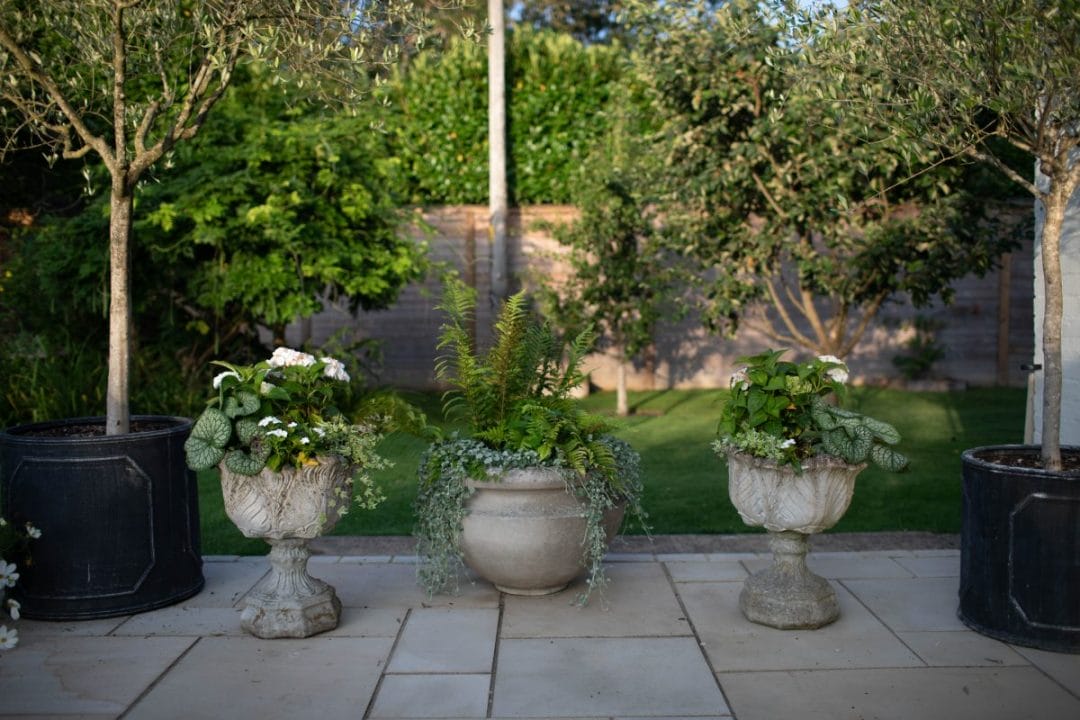
When garden design and architecture are treated as collaborative elements rather than isolated features, they create a more immersive, harmonious experience. Whether through shared lines, materials, textures or moods, a well-designed garden doesn’t just sit next to a building—it completes it. The goal is a space where the built and the natural don’t compete but rather enhance one another, offering beauty, functionality and a sense of belonging.
READ MORE