

In a world that often feels loud, fast and overwhelming, the garden can be a quiet refuge. It’s no surprise that time spent outdoors—digging, sowing, sitting or simply being—has been shown to reduce stress, ease anxiety and lift low moods. But beyond the science, there’s a simple truth: nature makes us feel better.
Whether you have a spacious plot or a small balcony, creating a garden space that supports your mental health is more than possible—it’s powerful. Here’s how to design your own personal sanctuary, one peaceful plant at a time.
Start With a Purpose, Not a Plan
You don’t need a perfect design or a Pinterest-worthy layout. Start by thinking about how you want to feel in your garden. Do you need a calming retreat for quiet moments? A productive corner to dig through your thoughts while digging soil? Or a lush green nook to reconnect with the seasons?
Let your intention guide you. The most healing gardens are the ones that feel personal and emotionally nourishing—not just picture-perfect.
Create a Place to Pause
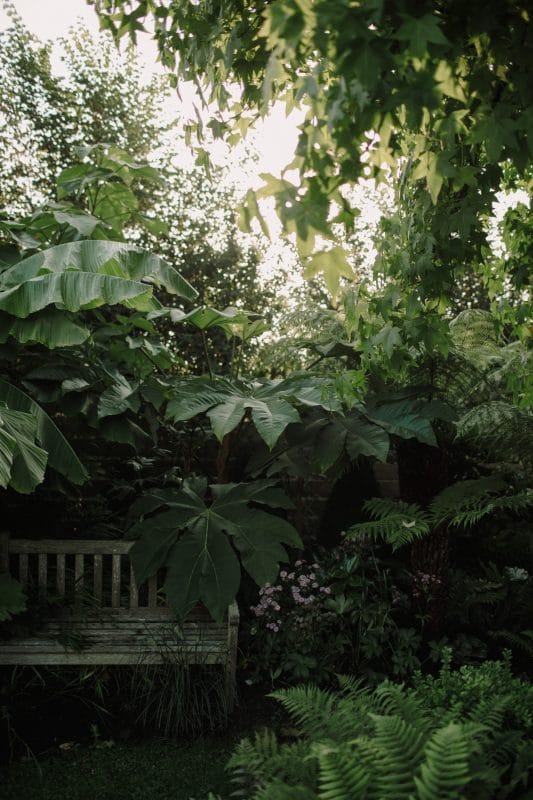
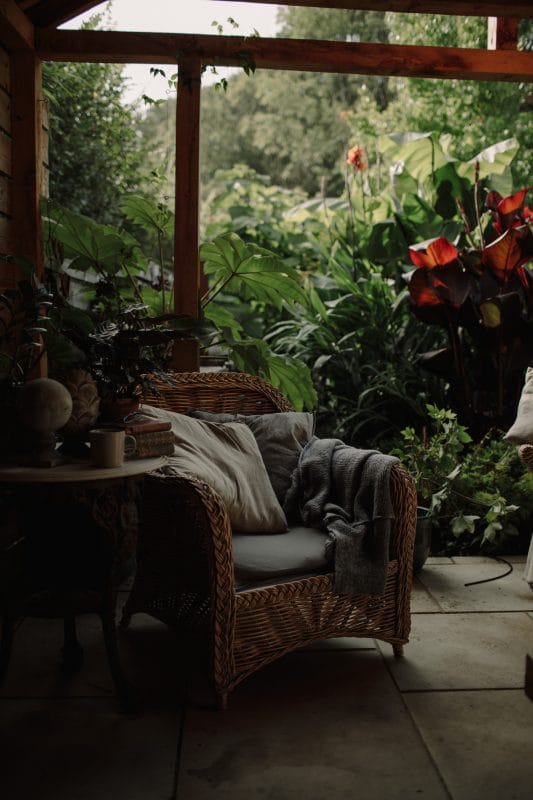
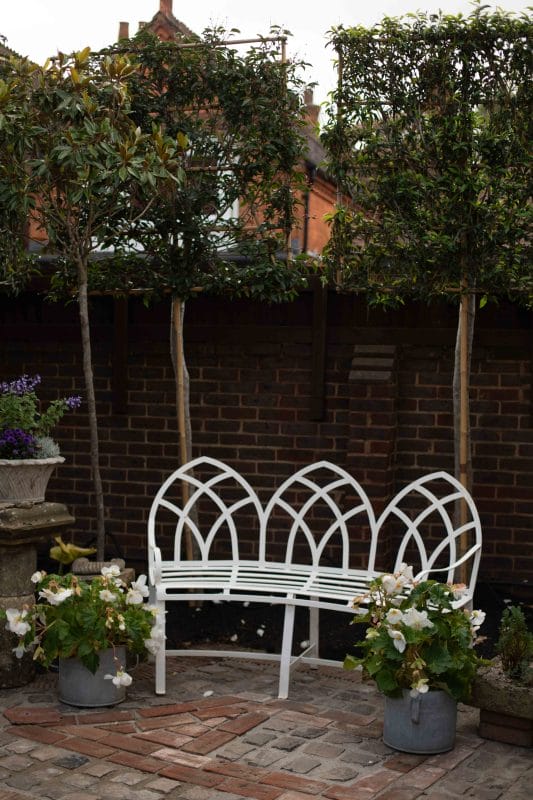
Incorporating a spot to sit and simply be can transform your garden from a project into a place of presence. A bench tucked under a tree, a hammock strung between posts or even a cushion on a step can invite you to slow down.
Try placing your seat where it catches morning or evening light, near plants that move in the breeze or birdsong that calms the mind. Stillness is a powerful remedy.
Bring in Scent, Texture & Sound
Gardens are not just visual—they’re sensory. Engaging the senses is a beautiful way to ground yourself in the present moment.
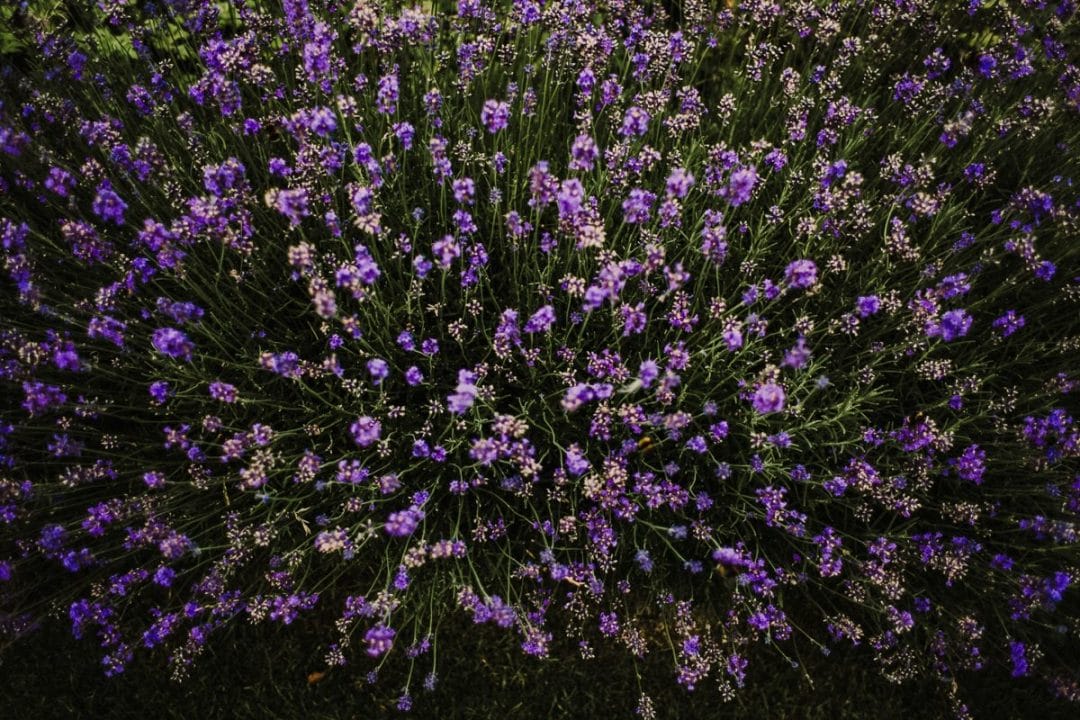
Plant lavender, rosemary or jasmine for calming scent. Choose grasses that rustle, bamboo that sways or a trickling fountain that brings soft sound to the space. Run your fingers along lamb’s ear or velvety petals. These small details become small moments of mindfulness.
Grow What You Love
There’s joy to be found in growing something—anything. Whether it’s sunflowers from seed, strawberries in a pot or herbs on your windowsill, the act of nurturing plants gives a sense of purpose and connection.
Don’t worry about growing “the right plants.” Grow what you love. Grow what makes you curious. Grow what brings you back outside when you’d rather stay in.

Let Nature Be Imperfect—And Let Yourself Be Too
One of the greatest gifts a garden offers is the chance to let go of perfection. Leaves fall. Flowers fade. Weeds arrive. And somehow, the whole thing remains beautiful.
Let your garden be a place where things don’t have to be tidy or productive all the time. Give yourself that same grace. Sometimes mental health is about doing nothing at all—just watching a bee visit a bloom or clouds shift above your head.
A Daily Dose of Green
You don’t need hours to benefit from your garden. Even five minutes a day can make a difference. Step outside with your coffee. Water your plants by hand. Watch the light change. These small rituals add up to something steadying and gentle.
And if you don’t have a garden at all, bring nature in. A houseplant, a vase of cut flowers or a view of greenery from a window can be surprisingly uplifting.
Creating a garden for mental health isn’t about landscaping—it’s about healing. It’s about building a space that feels safe, calm, and alive. A space that doesn’t demand anything from you but offers everything in return: fresh air, growth, beauty and presence.
So take your time. Let it evolve. And most of all, let it be yours.
READ MORE