
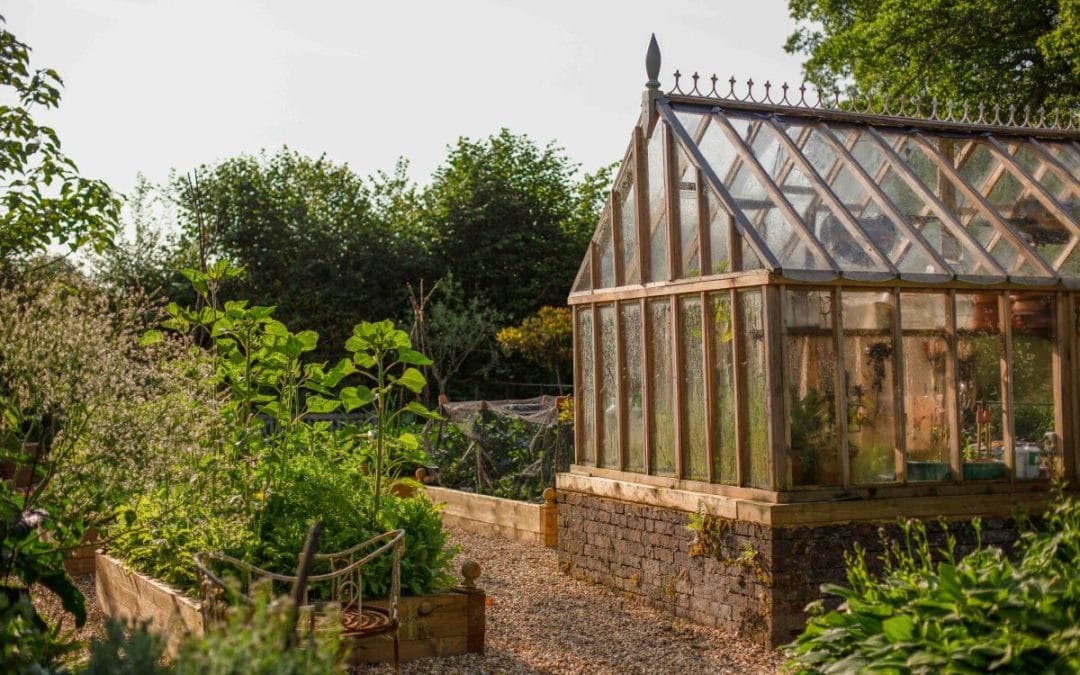
Whether you’re a seasoned grower or starting your first veggie patch, having a month-by-month plan makes all the difference. Here’s a practical timeline to guide you through planting, harvesting and maintaining your vegetable garden throughout the year.
January – Plan & Prepare
-
Tasks:
-
Dream and design! Sketch your garden layout and plan veg rotations.
-
Order seeds early for popular varieties (they sell out fast).
-
Clean and sharpen your tools.
-
Check stored veg (like potatoes and onions) for rot.
-
-
Tip: Start saving eggshells and compost materials now — they’ll enrich your soil later.

February – Start Seeds Indoors
-
Tasks:
-
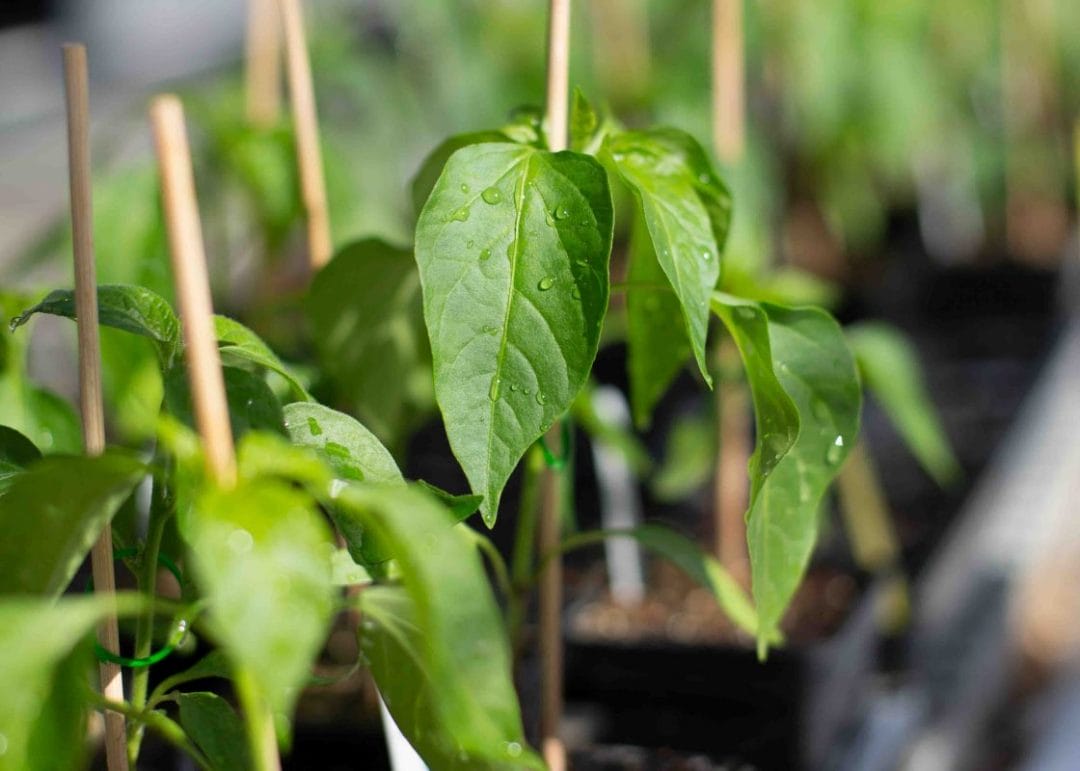
Sow early veg indoors: tomatoes, peppers, aubergines and chillies.
-
Prepare seed trays, labels and compost.
-
Warm up soil under cloches or black plastic outdoors.
-
-
Tip: Invest in a small grow light for sturdier seedlings — winter sun can be weak.
March – Early Planting Begins
-
Tasks:
-
Direct sow hardy veg: peas, spinach, carrots, parsnips, radishes and lettuce.
-
Plant seed potatoes in trays (“chitting”) to sprout before planting.
-
Prepare beds with compost or well-rotted manure.
-
-
Harvest: Overwintered leeks, kale and sprouting broccoli.
-
Tip: Cover young seedlings with fleece to protect from frost.
April – Main Sowing Month
-
Tasks:
-
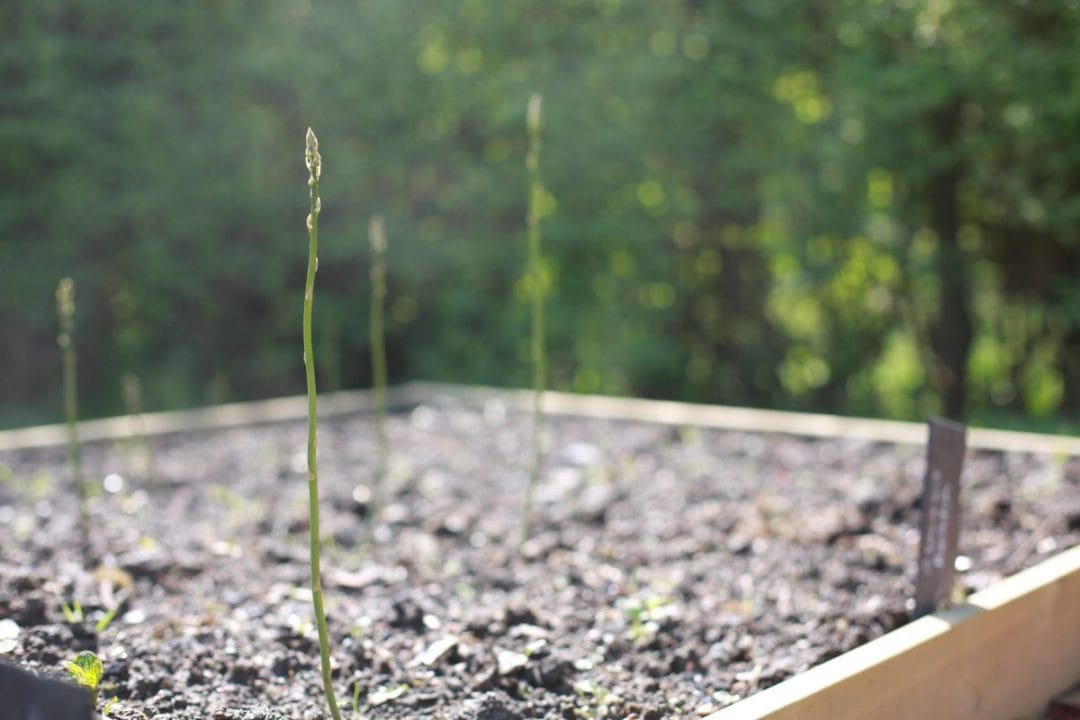
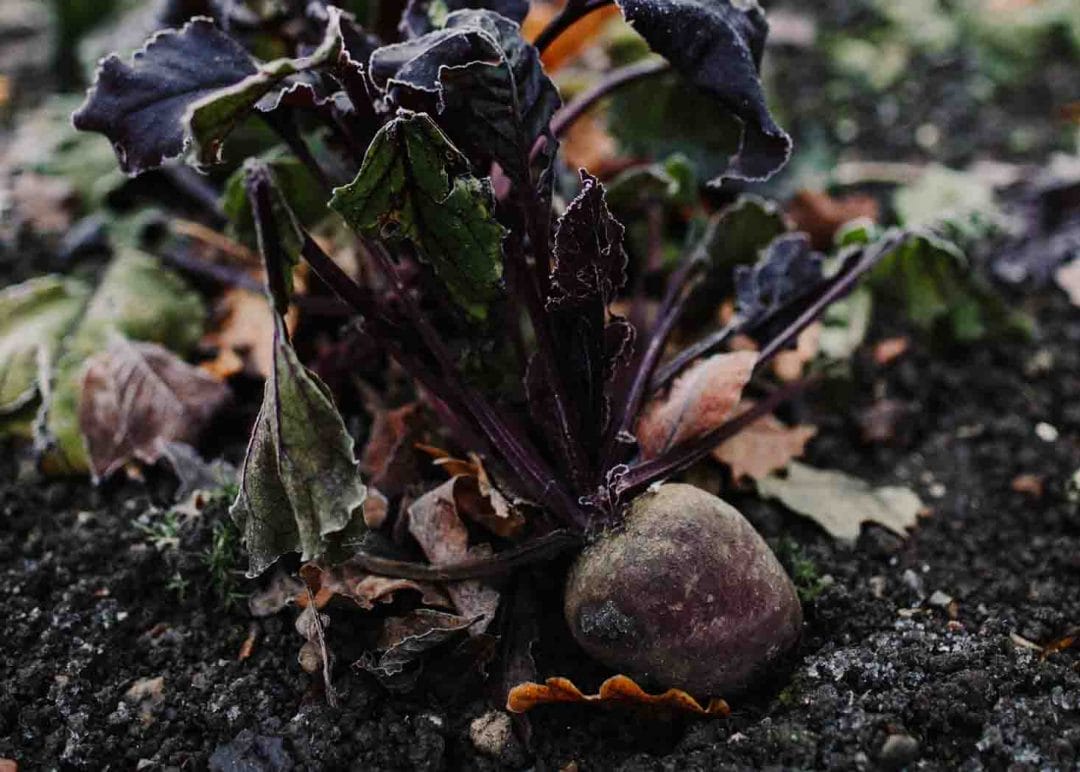
Sow outdoors: beetroot, chard, turnips and salad greens.
-
Plant early potatoes.
-
Harden off indoor seedlings (acclimatize them before planting out).
-
Weed regularly before they take hold.
-
-
Tip: Start a compost heap now if you haven’t already!
May – Plant Out & Protect
-
Tasks:
-
After the last frost, plant out tomatoes, courgettes, beans and sweetcorn.
-
Sow quick growers like radish and lettuce between slower veg.
-
Mulch beds to retain moisture.
-
-
Harvest: Early lettuce, rhubarb and overwintered garlic.
-
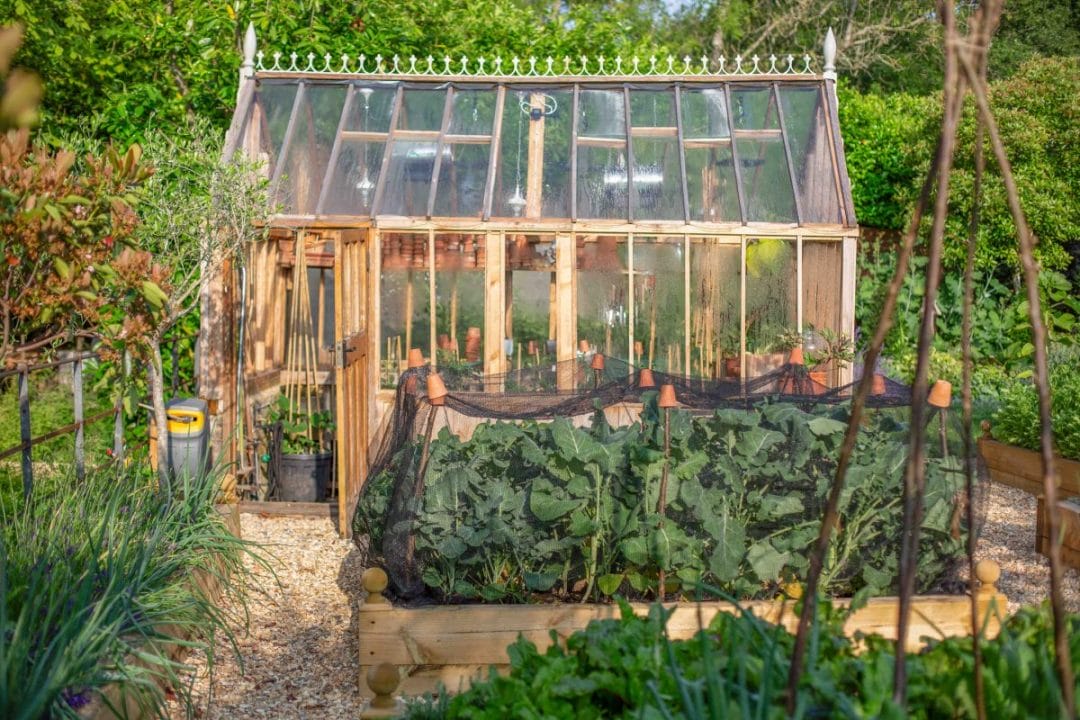
Tip: Use netting to protect young brassicas from pigeons and butterflies.
June – Feed & Maintain
-
Tasks:
-
Stake tall plants (tomatoes, beans, peas).
-
Keep up with watering and weeding.
-
Feed fruiting plants with a tomato fertiliser.
-
Succession sow salads for continuous harvests.
-
-
Harvest: Broad beans, early potatoes, salad leaves.
-
Tip: Water in the morning to reduce fungal problems.
July – Harvest Heaven
-
Tasks:
-
Harvest regularly to encourage more production.
-
Keep pinching out tomato side shoots.
-
Sow late crops like beetroot, carrots and kale for autumn.
-
Watch for pests like aphids and caterpillars.
-
-
Harvest: Peas, beans, courgettes, carrots, salad greens.
-
Tip: Freeze or pickle gluts to reduce waste.
August – Peak Growing & Preserving
-
Tasks:
-
Continue harvesting and watering consistently.
-
Plant autumn/winter crops: spinach, chard and spring cabbages.
-
Start saving seeds from healthy plants.
-
-
Harvest: Tomatoes, cucumbers, sweetcorn, onions, potatoes.
-
Tip: Dry onions and garlic thoroughly before storing.
September – Autumn Abundance
-
Tasks:
-
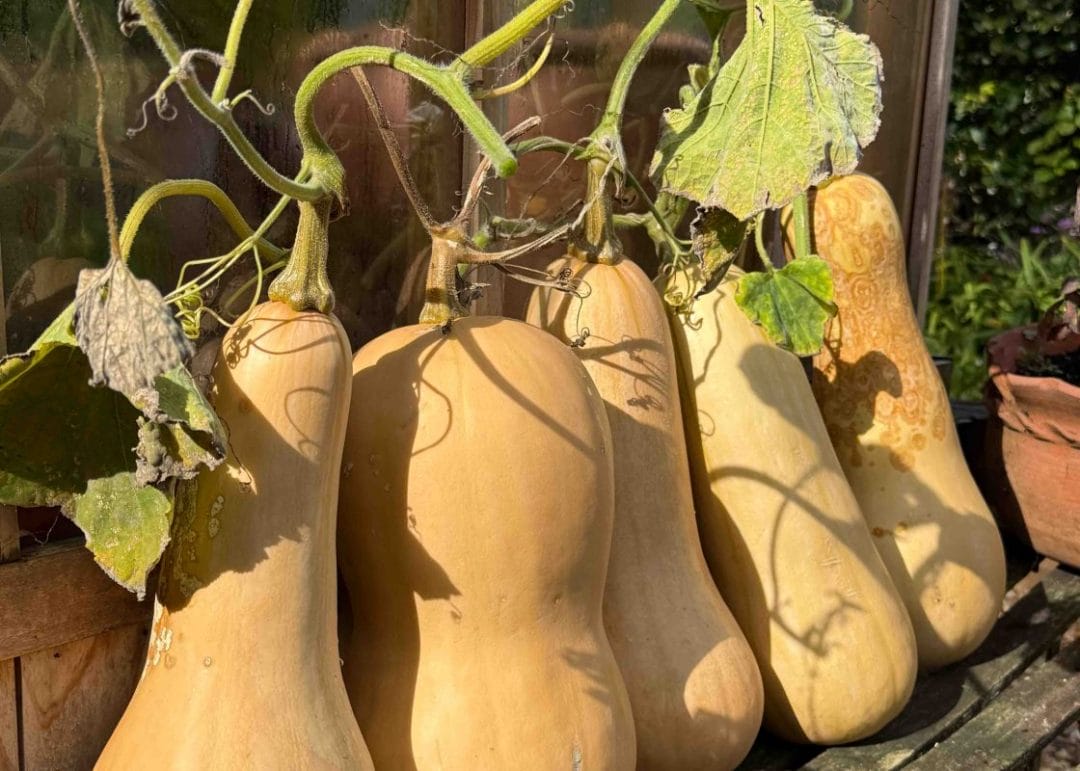
Harvest pumpkins, squash and late potatoes.
-
Clear out spent summer crops.
-
Plant overwintering garlic and onions.
-
Sow green manure to enrich soil for next year.
-
-
Tip: Keep your compost heap going strong with dead plant material.
October – Clean & Store
-
Tasks:
-
Lift and store root vegetables like carrots and beets.
-
Tidy up empty beds, removing weeds and debris.
-
Cover bare soil with mulch or compost.
-
-
Harvest: Late brassicas, leeks and kale.
-
Tip: Store crops in a cool, dark and dry place to extend their shelf life.
November – Protect & Plan Ahead
-
Tasks:
-
Check stored veg for rot.
-
Mulch perennials and protect tender plants from frost.
-
Rake up fallen leaves for leaf mould compost.
-
Review what worked (and didn’t!) this year.
-
-
Tip: Clean and oil tools before storing them for winter.


December – Rest & Reflect
-
Tasks:
-
Enjoy your preserved veg and plan next year’s crops.
-
Order any gardening books or tools in winter sales.
-
Keep soil covered and compost ticking over.
-
-
Tip: Take time to rest — your garden (and you) need downtime too!
A vegetable patch is a living, evolving space — the more you nurture it through the seasons, the more it rewards you. Follow this calendar as a guide, but always adapt to your local weather and soil conditions. Happy growing!
READ MORE