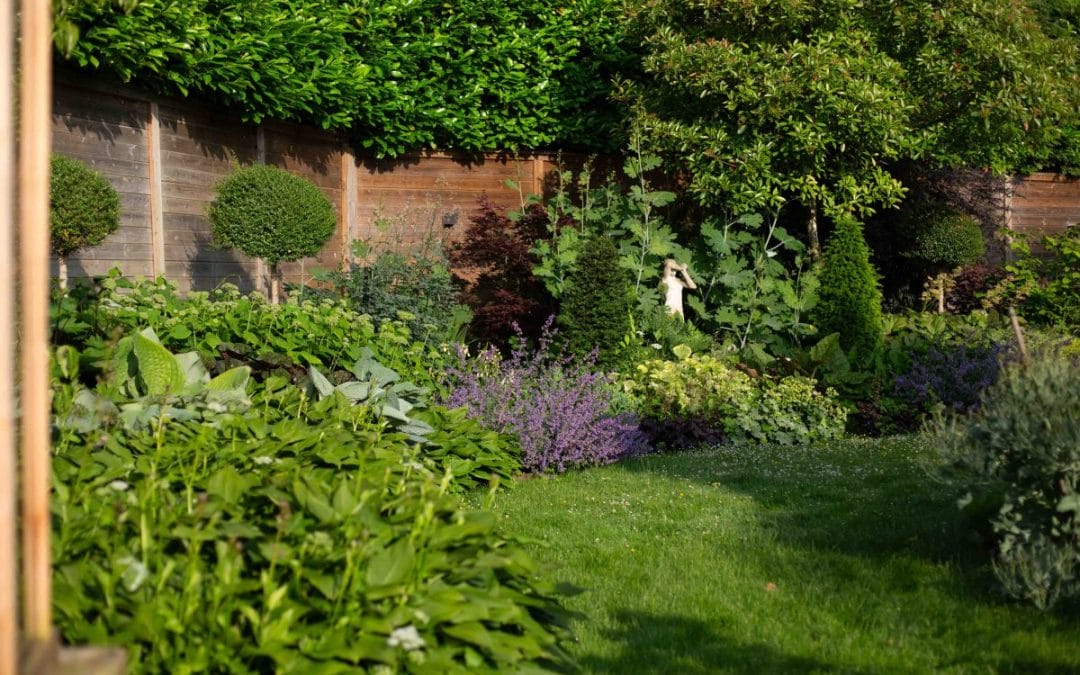
Designing a garden bed is part creativity, part planning and part understanding how plants grow through the seasons. Whether you’re starting fresh or refreshing an existing space, a thoughtful layout can turn an ordinary bed into a showpiece. Here’s how to create structure, depth and year-round interest so your garden looks intentional and inviting from every angle.
1. Start With a Strong Backbone: Evergreens for Structure
Every great garden bed begins with structure—the elements that stay consistent even when other plants fade. Evergreens serve as visual anchors because they keep their shape and colour throughout the year.
Use evergreens to:
-
Frame the bed at corners or ends
-
Create symmetry or balance
-
Provide winter interest when everything else dies back
-
Offer a backdrop that makes seasonal colour pop
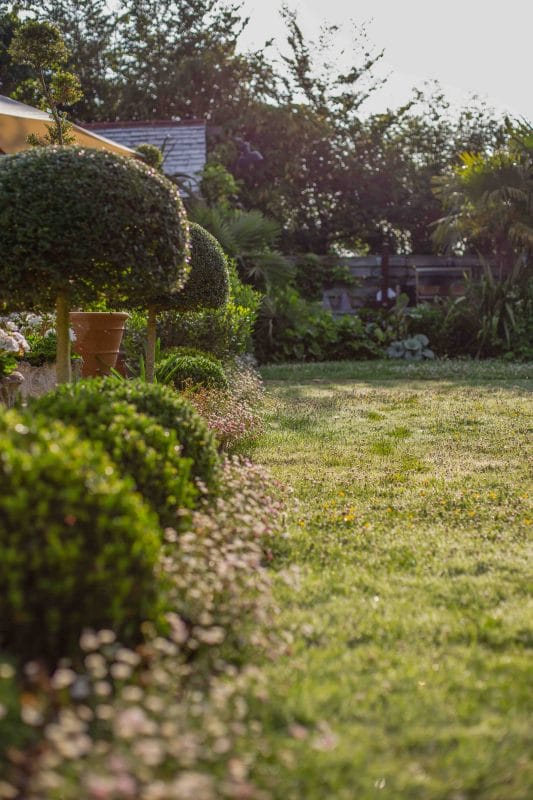
Choose varieties whose mature sizes fit your space: dwarf conifers, boxwood, yew, holly, or smaller ornamental shrubs. Place them first, because these are your architectural pieces.
2. Layer Your Plants: Tall in Back, Mid in the Middle, Short in Front
A good garden bed has depth—literally.
Back layer (tall plants):
Place taller shrubs, ornamental grasses or perennials at the rear of the bed or at the center of an island bed. Think hydrangeas, tall phlox, joe pye weed, delphiniums, or ornamental grasses like miscanthus.
Middle layer (medium height):
This is where the eye naturally rests, so choose plants with interesting foliage and long bloom times. Examples: daylilies, coreopsis, salvia, coneflowers, or medium-sized grasses.
Front layer (short plants and edging plants):
Low growers keep the bed tidy and inviting. Plants like creeping thyme, lamb’s ear, sedum, pansies, or low mounding perennials soften the edges.
This layered effect adds both height and visual harmony, and it ensures nothing important gets hidden behind taller plants.

3. Plan for Seasonal Success: Bulbs With Staggered Bloom Times
If you want a bed that shines from early spring to late autumn, bulbs are your secret weapon. They weave seasonal rhythm into a design.
Early spring: crocus, snowdrops, early tulips
Mid-spring: daffodils, mid-season tulips, hyacinths
Late spring: alliums, late tulips
Summer: lilies, crocosmia
Autumn: autumn crocus, colchicum
By mixing bulbs with different blooming windows, your garden bed wakes up early and keeps going without major gaps. Plant bulbs in natural clusters or drifts for a more relaxed, professional look.
4. Think in Colour and Texture, Not Just Plants
Cohesion comes from repeating elements, not random collections. To make your garden feel intentional:
-
Repeat colours: Pull one or two accent colours through the entire bed.
-
Echo textures: If you have feathery foliage in the back layer, repeat hints of that texture in the middle.
-
Balance shapes: Mix mounded, spiky, trailing and upright forms so the eye moves smoothly through the space.
The idea is to guide the viewer’s eye gently, not jar it with abrupt changes.

5. Create Flow With Curves and Groupings
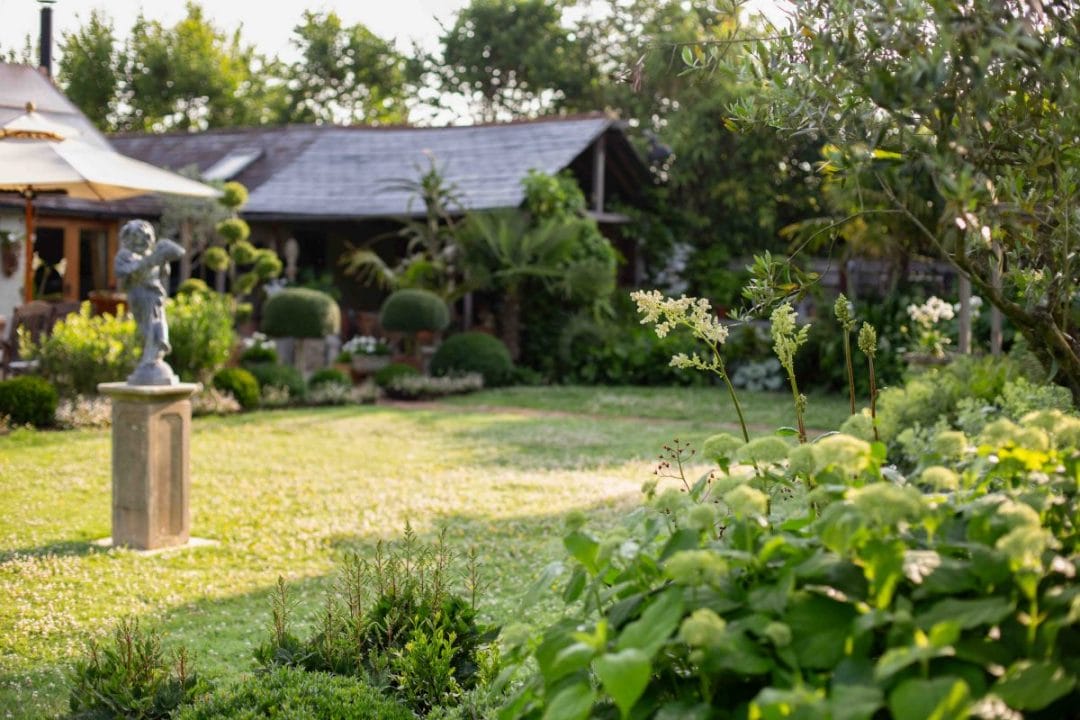
Instead of planting one of each thing, use groupings of 3, 5, or more for visual impact. Odd-numbered clusters look more natural and create bolder colour spots.
Curved lines—whether along the edge of the bed or in the arrangement of plants—help the garden feel fluid and inviting. Straight lines feel formal; gently curving lines feel softer and more welcoming.
6. Leave Space for Plants to Grow
A common mistake is planting too tightly, which leads to crowding and an overgrown look. Check each plant’s mature size and space accordingly. It may look sparse at first, but allowing the plants to fill in naturally creates a healthier and more polished bed long-term.
7. Add Finishing Touches for Professional Polish
Think of these as the accessories that elevate the garden:
-
Edging: Stone, metal, or a clean-cut trench keeps the bed crisp
-
Paths or stepping stones: Practical and beautiful
-
Decorative elements: A birdbath, trellis, or small statue for personality

Pulling It All Together
A well-designed garden bed flows like a story—from evergreen structure, to layered heights, to season-spanning colour, all unified by repeated textures and thoughtful curves. Once you understand these building blocks, you can create beds that look lush, balanced and visually captivating in every season.
READ MORE