
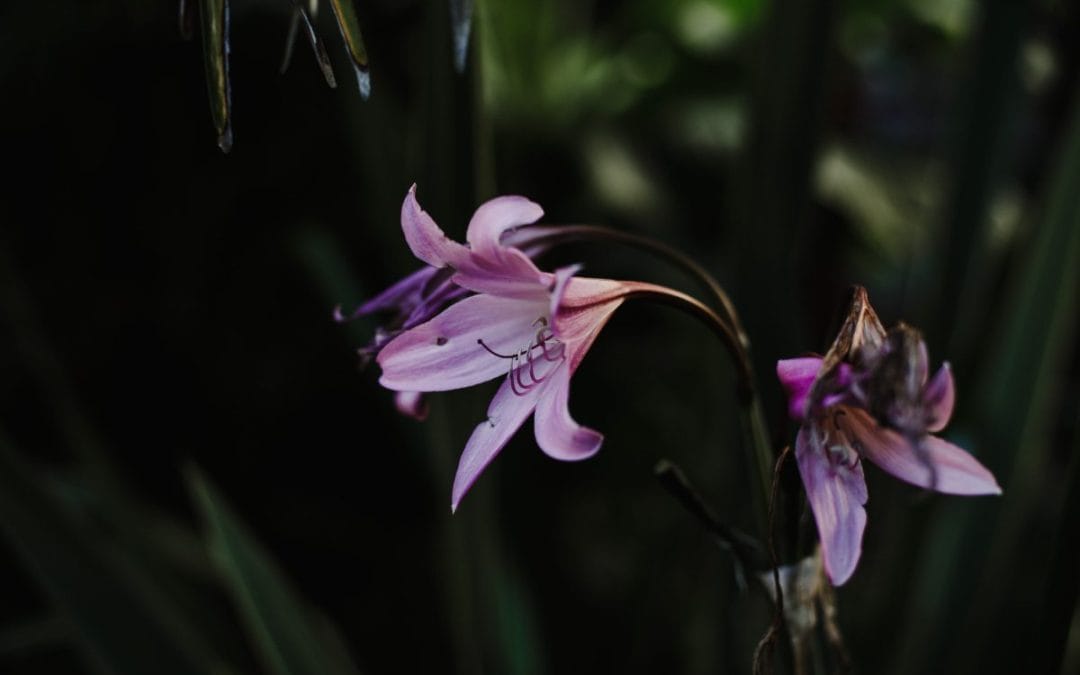
As summers in the South of the UK become increasingly dry and unpredictable, many gardeners are finding that their traditional planting choices are no longer as reliable as they once were. Hosepipe bans, water shortages and long spells of intense sunshine are no longer rare events but seasonal norms. Rather than resisting the changes, more people are embracing a more sustainable and resilient approach: drought-tolerant planting.
Why Drought-Tolerant Planting?
Drought-tolerant gardens are not only practical, but they can also be incredibly beautiful. By selecting plants that naturally thrive in dry conditions, you can reduce your reliance on watering, lower your maintenance needs and create a garden that continues to flourish, even in the height of summer. These plants are often tough, long-lived and remarkably tolerant of poor soil and high temperatures—making them a perfect match for the changing climate in southern England.
Best Drought-Tolerant Plants for Southern UK Gardens
Fortunately, many beautiful plants are perfectly suited to dry conditions and poor soils. Here are some of the top performers:
Perennials & Shrubs
-
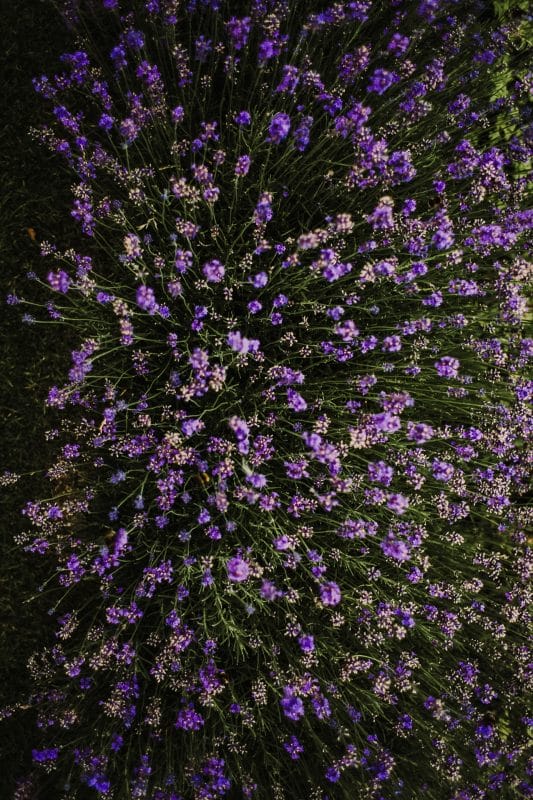
Lavandula (Lavender) – A Mediterranean classic that thrives in full sun and well-drained soil.
-
Salvia – Vibrant spires of purple, blue or pink that bees love.
-
Eryngium (Sea Holly) – Spiky, architectural and striking in dry borders.
-
Cistus (Rock Rose) – A tough evergreen shrub that produces masses of delicate flowers.
-
Santolina (Cotton Lavender) – Compact and fragrant, with silver foliage and yellow button-like flowers.
-
Ceanothus (California Lilac) – A drought-tolerant evergreen shrub with clusters of bright blue flowers in spring.
Grasses & Ground Cover
-
Stipa tenuissima (Mexican Feather Grass) – Adds texture and movement, even in poor soil.
-
Festuca glauca (Blue Fescue) – A neat, drought-loving ornamental grass.
-
Thymus serpyllum (Creeping Thyme) – Hardy, aromatic and great between paving stones.
Succulents & Alpines
-
Sedum (Stonecrop) – Perfect for rockeries or containers, with fleshy leaves and late-summer flowers.
-
Sempervivum (Houseleeks) – Virtually indestructible and ideal for dry, sunny spots.
Top Tips for a Drought-Resilient Garden
To get the most out of a drought-tolerant garden, a few key practices can make all the difference. First, improving drainage is crucial, especially if you’re working with heavy clay soil. Adding grit or sand can help create the well-drained conditions these plants prefer. Mulching around the base of plants with bark chips, gravel or compost helps retain moisture and keeps weeds at bay. When watering is necessary, it’s best to water deeply and infrequently, which encourages plants to develop deeper, more resilient root systems.
It also helps to group plants by their water needs. Keeping drought-lovers together ensures they won’t suffer from being overwatered, especially if they’re planted near thirstier species. Planting in spring or autumn gives roots time to establish before the dry summer months hit, setting your garden up for success.

Design Inspiration
Design-wise, drought-tolerant gardens can be as diverse and beautiful as any traditional border. Mediterranean-style planting—with gravel paths, terracotta pots and aromatic herbs like rosemary and thyme—can create a relaxed and timeless look. Wildlife friendly gardens also benefit from drought-tolerant species, many of which are rich in nectar and pollen. If you prefer a modern aesthetic, sculptural succulents and swaying ornamental grasses can add contemporary flair with minimal fuss.
Adapting to climate change doesn’t mean giving up on a vibrant, thriving garden. By making thoughtful plant choices and adjusting a few gardening habits, you can create an outdoor space that not only survives but truly flourishes in the UK. Whether you’re redesigning a whole garden or simply refreshing a sunny border, drought-tolerant planting offers an inspiring and practical way forward.
READ MORE