

One of the key differences between an average garden and one that feels professionally designed often comes down to a single concept: layering.
Layering is what gives planting schemes depth, structure and that lush, full look you might associate with high-end garden design. The good news? It’s not complicated—you just need to think about plants in tiers and how they work together.
Here’s a simple guide to help you layer plants like a designer.
What Does “Layering” Mean?
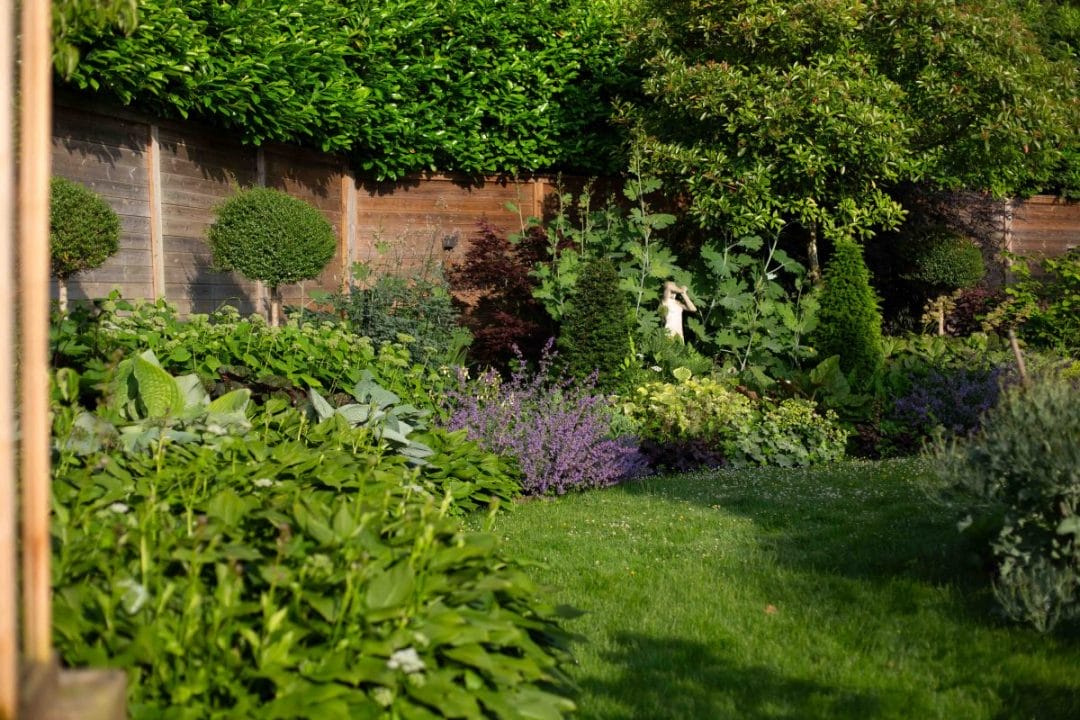
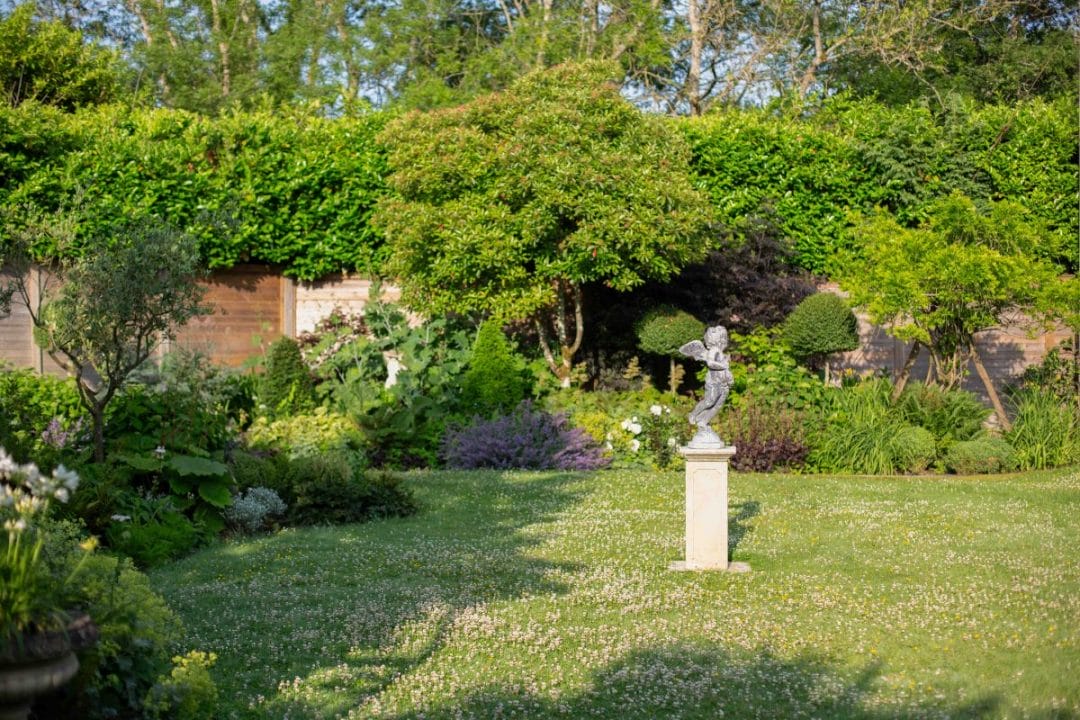
Layering refers to arranging plants in a way that mimics natural growth patterns—taller plants at the back (or centre), mid-height plants in the middle, and lower-growing plants at the front or edges.
This creates:
- Visual depth
- Year-round interest
- A sense of cohesion and flow
Rather than seeing individual plants, the eye reads the garden as a complete composition.
Start with Structure
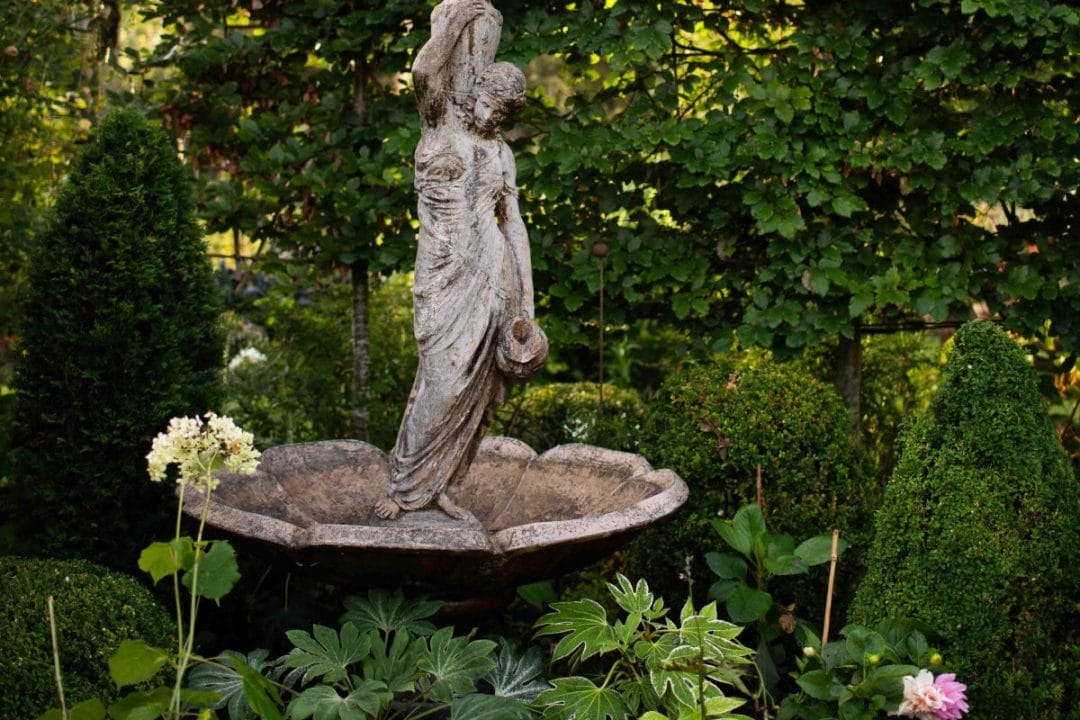
Every well-layered border begins with a strong framework. These are your structural plants—the backbone of the design. Think:
- Evergreen shrubs
- Small trees
- Architectural plants
They provide height, anchor the space and ensure the garden still looks good in winter.
Position these first, spacing them thoughtfully so they have room to grow and maintain their shape over time.
Add the Middle Layer
Next comes the mid-layer—often the most visually active part of the planting scheme. This includes:
- Herbaceous perennials
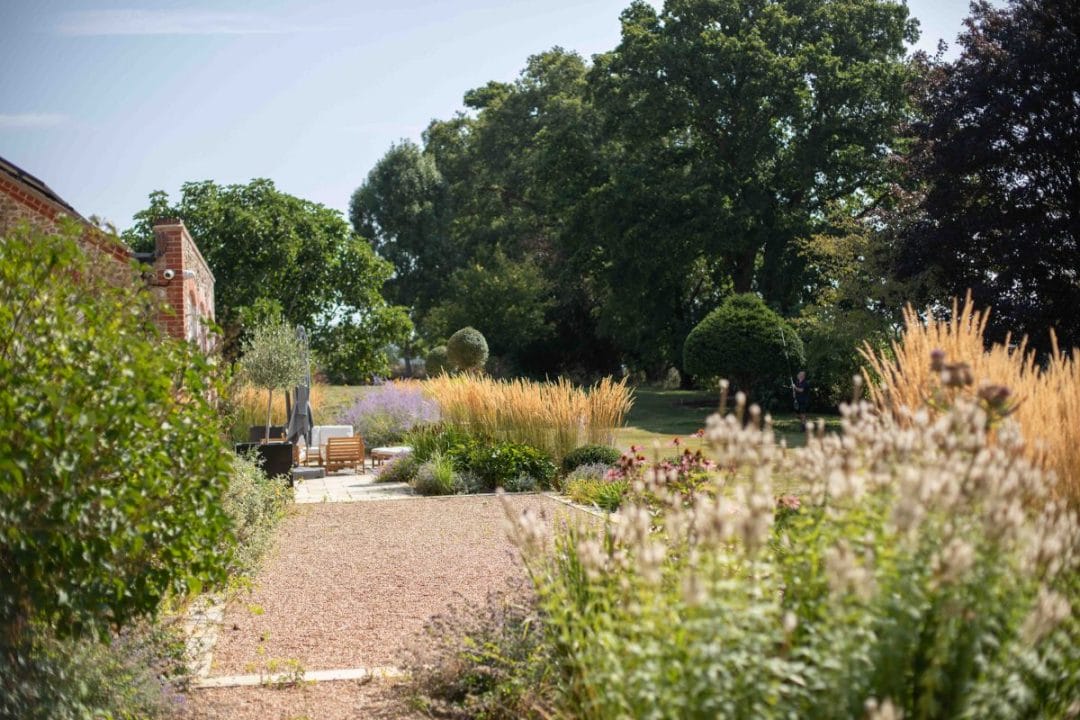
- Ornamental grasses
- Flowering shrubs
These plants add movement, colour and seasonal interest. Aim to repeat groups of the same plant throughout the border to create rhythm and avoid a cluttered look.
Finish with Ground Cover
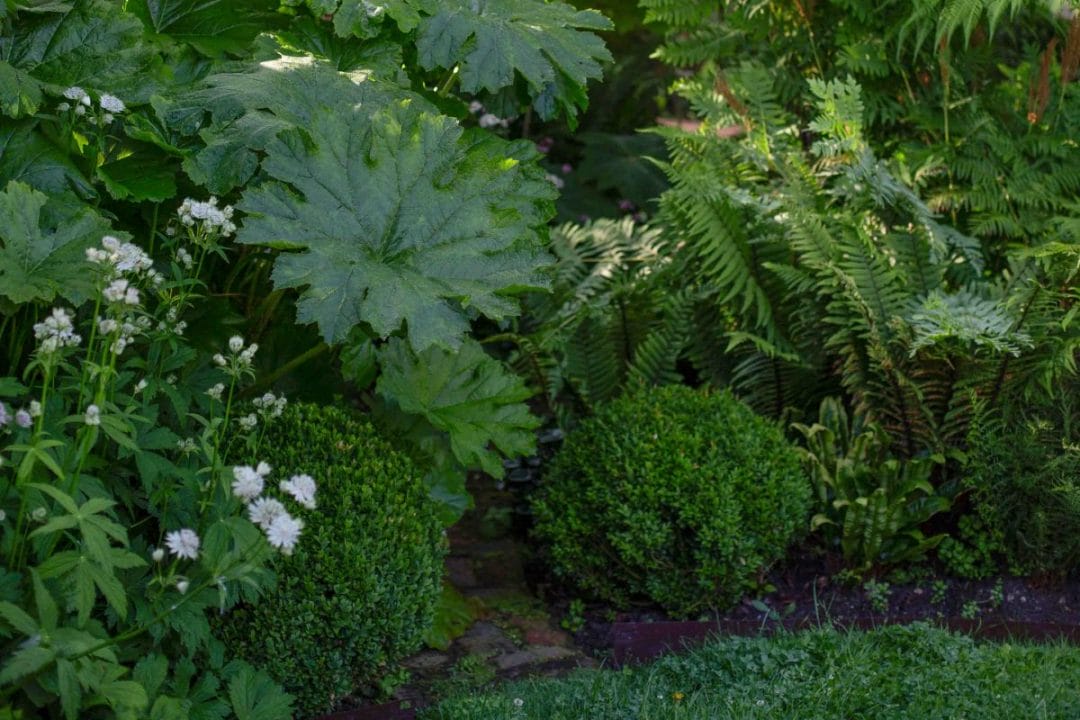
The final layer is all about softening edges and tying everything together. Low-growing plants:
- Cover bare soil (reducing weeds)
- Spill over edges for a natural look
- Create a lush, full appearance
Ground cover plants are essential for achieving that “finished” feel designers aim for.
Think in Drifts, Not Dots
One of the most common mistakes is planting in singles. Designers instead use “drifts”—groups of the same plant repeated in loose clusters. This approach:
- Feels more natural
- Is easier to maintain
- Creates stronger visual impact
As a rule of thumb, plant in groups of three, five or more depending on the size of your space.

Consider Seasonal Layers
A well-designed garden doesn’t peak for just a few weeks—it evolves throughout the year.
Mix plants that shine in different seasons:
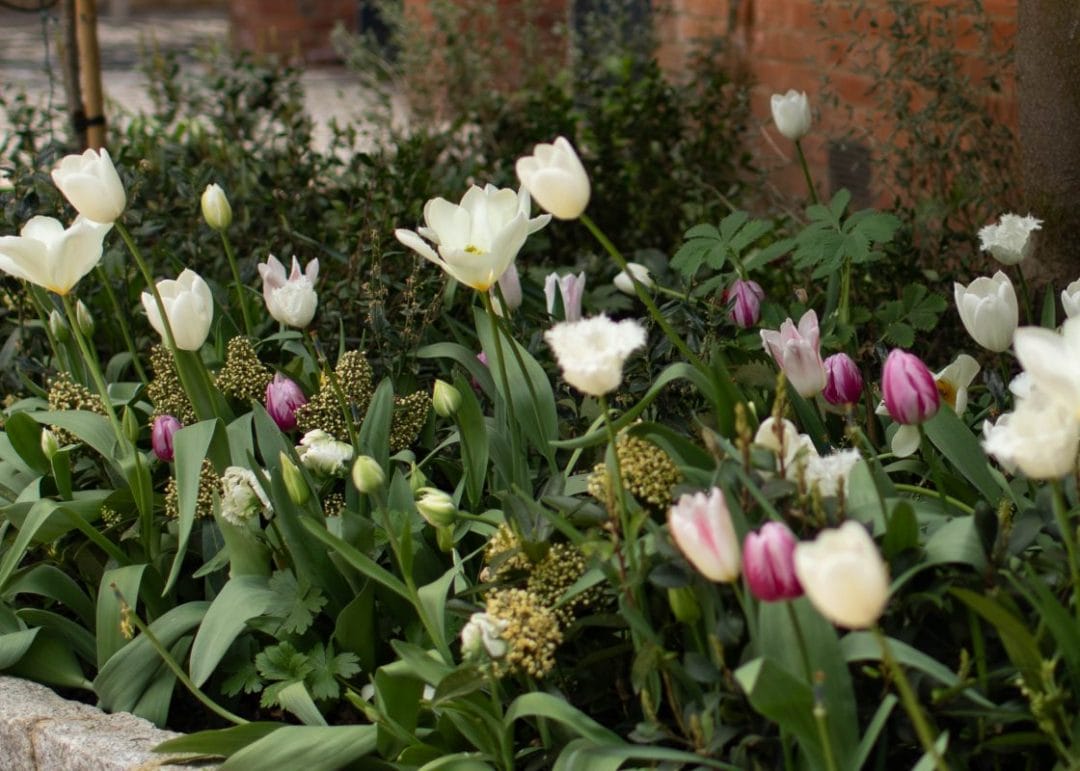
- Spring bulbs for early colour
- Summer perennials for vibrancy
- Autumn grasses for texture
- Evergreens for winter structure
This ensures there’s always something happening in each layer.
Balance Height and Transparency
Not all tall plants need to block what’s behind them. Some of the most effective planting schemes use “see-through” plants—like airy grasses or delicate stems—to add height without heaviness.
This creates a sense of depth without making the border feel crowded or closed in.
Keep It Cohesive
Finally, limit your plant palette. Too many varieties can make even a layered garden feel chaotic.
Instead:
- Repeat key plants
- Stick to a complementary colour scheme
- Focus on texture as much as colour
The result is a garden that feels calm, intentional and beautifully designed.
Layering plants is one of the simplest ways to elevate your garden. By thinking in tiers—structure, middle and ground—you can create a space that feels full, balanced and effortlessly stylish.
If you’re not sure where to start, we can help design a planting scheme tailored to your space, ensuring every layer works together beautifully all year round.
READ MORE