
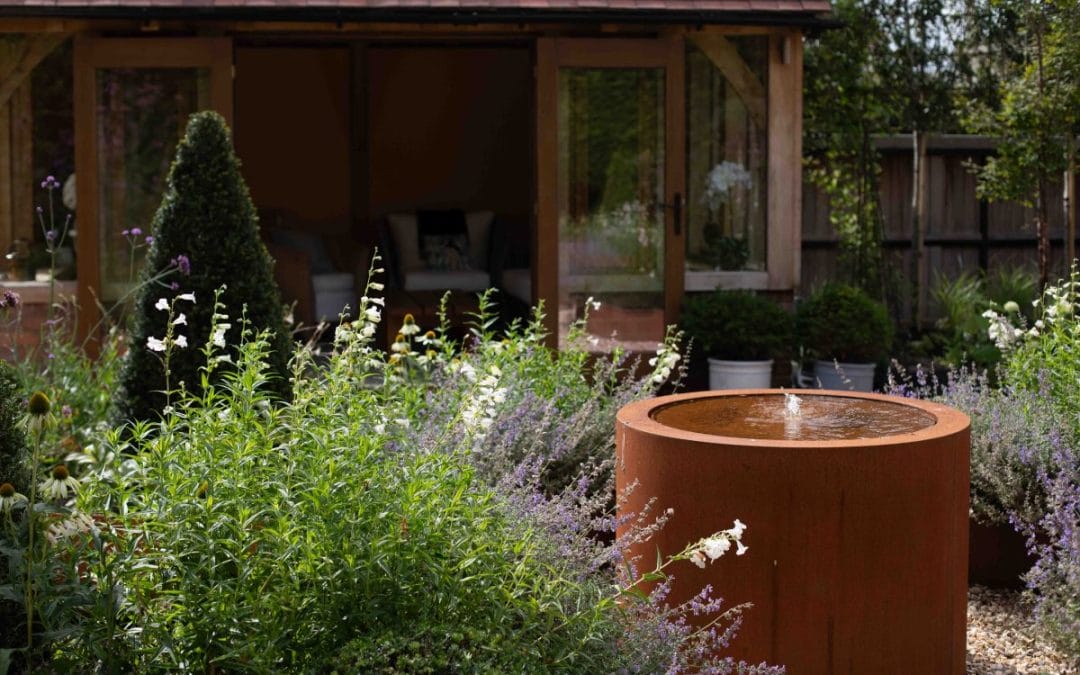
Start by Understanding Your Space
Designing a garden from scratch can feel overwhelming at first, but with a little planning, you can create an outdoor space that is both beautiful and practical. Whether you’re working with a compact backyard, a large family garden, or a blank new-build plot, taking the time to carefully plan your layout will save you time, money and effort in the long run.
Assess the Conditions of Your Garden
The first step in planning your garden is understanding the space you have available. Spend some time observing your garden throughout the day, paying attention to where the sun falls, which areas remain shaded and how water drains after rainfall. Existing features such as trees, fences, patios and pathways should also be considered, as they will influence where plants and garden features can be placed. Creating a simple sketch of your garden can help you visualise the space and identify opportunities and limitations.

Define Your Gardening Goals
Before making any design decisions, it’s important to think about what you want your garden to achieve. Some homeowners prioritise growing vegetables, herbs and fruit, while others focus on creating a colourful display of flowers. You may want a garden that attracts wildlife, offers privacy from neighbours, or provides a relaxing area for outdoor entertaining. Clearly defining your goals will help guide every aspect of the layout and ensure the finished garden meets your needs.
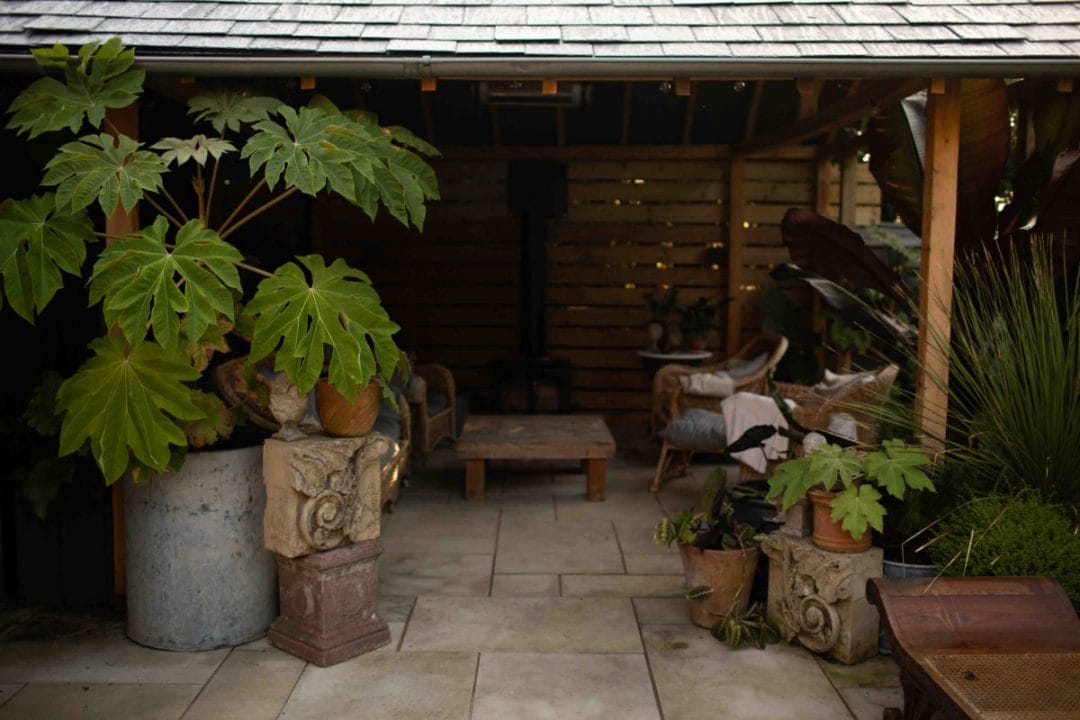
Create Functional Garden Zones
Once you have a clear vision, begin dividing the garden into different functional areas. Creating zones can make even a small garden feel organised and purposeful. For example, you might dedicate one section to growing vegetables, another to decorative planting and another to seating or dining. Separating the space into distinct areas helps create structure and allows each part of the garden to serve a specific purpose without feeling cluttered.
Consider Sunlight and Shade
Sunlight plays a crucial role in determining where plants should be positioned. Most vegetables and flowering plants thrive in full sun, while some shrubs and shade-loving plants perform better in areas with less direct light. Understanding the light conditions across your garden will help you place plants where they have the best chance of thriving. A well-positioned plant is often healthier, more productive and easier to maintain.
Plan Planting Beds Carefully
When planning planting beds and borders, it’s essential to consider the mature size of your plants rather than how they look when purchased. Many new gardeners underestimate how much space plants need to grow. Taller plants generally work best at the back of borders, with medium-sized plants in the middle and shorter varieties at the front. This layered approach creates visual depth while ensuring every plant receives adequate light and airflow.

Design Practical Pathways
Practicality should also be a key consideration when designing your layout. Think about how you will move around the garden and access different areas for maintenance. Paths should be wide enough to walk comfortably and provide easy access to planting beds, seating areas and storage spaces. A well-designed garden not only looks attractive but is also easy to use and maintain throughout the year.
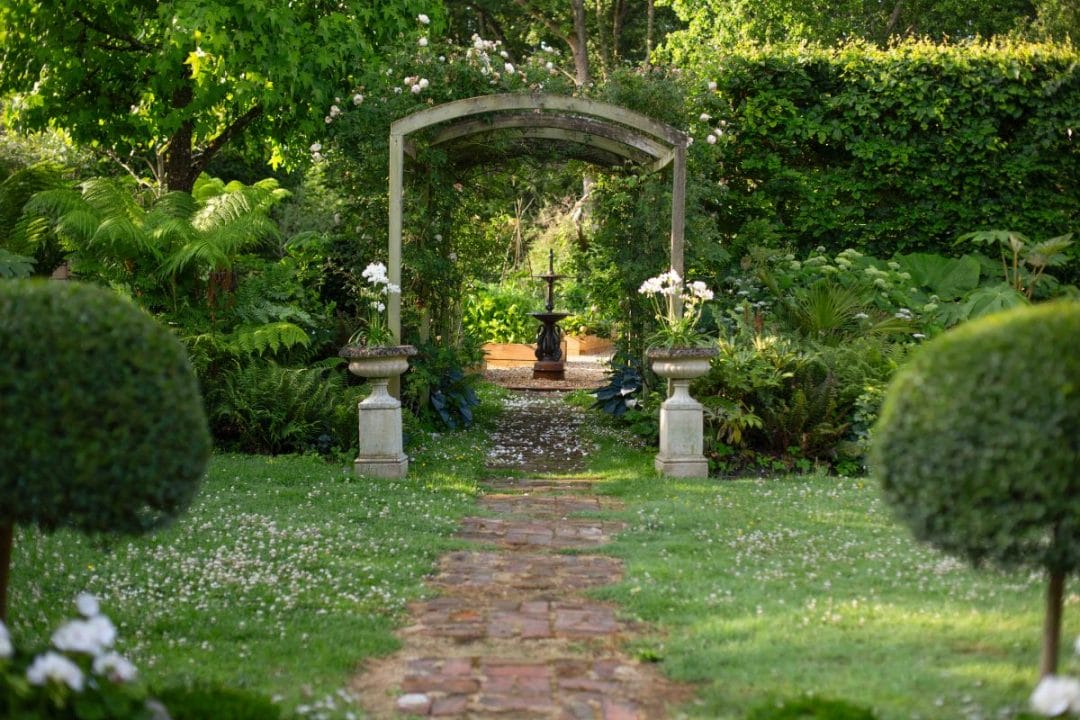
Add Focal Points for Visual Interest
Adding focal points can help bring your garden design together. Features such as a specimen tree, water feature, pergola, garden sculpture, or decorative seating area naturally draw the eye and create visual interest. Positioning focal points strategically can make the garden feel larger and encourage visitors to explore different areas of the space.
Plan for Year-Round Appeal
As you develop your plan, don’t forget to think about how the garden will look throughout the seasons. By choosing a mixture of plants that flower, produce berries, or display colourful foliage at different times of the year, you can create a garden that remains attractive from spring through winter. Seasonal interest adds depth and ensures there is always something to enjoy, regardless of the month.
Bringing Your Garden Vision to Life
Remember that garden design is an evolving process. Your first layout doesn’t have to be perfect. Plants grow, tastes change and new ideas emerge over time. Starting with a thoughtful plan gives you a strong foundation, but don’t be afraid to make adjustments as your garden develops. The most successful gardens are often those that evolve naturally, reflecting both the character of the space and the people who enjoy it.
With careful planning and a clear vision, creating a garden layout from scratch can be a rewarding and enjoyable experience. By considering sunlight, functionality, plant selection and long-term growth from the outset, you’ll be well on your way to creating an outdoor space that looks beautiful and works perfectly for your lifestyle.
READ MORE