

A beautiful garden doesn’t have to demand hours of upkeep every weekend. With thoughtful planning and the right design choices, you can create an outdoor space that looks lush, polished and inviting—without constant weeding, watering and trimming. The secret lies in working smarter from the beginning, rather than trying to simplify a high-maintenance design later.
The foundation of a low-maintenance garden starts with a clear plan. Before planting anything, take time to observe how sunlight moves across your space throughout the day. Notice which areas stay damp after rain, which dry out quickly and where wind might stress delicate plants. Designing with these natural conditions in mind prevents future problems and reduces the need for extra care. Clean lines, clearly defined beds and intentional pathways also make a garden feel structured and elegant. When the layout is simple and well organised, the space looks tidy even when plants are not in perfect bloom.
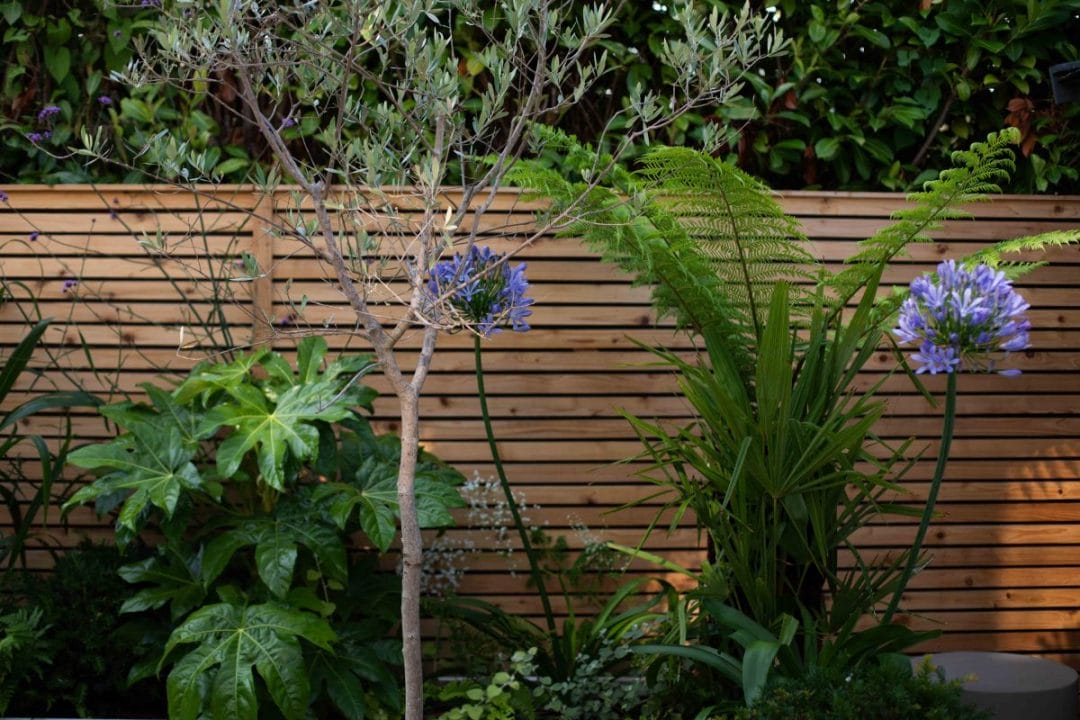
Choosing the right plants is perhaps the most important decision you will make. The principle of “right plant, right place” dramatically reduces maintenance. Hardy, climate-appropriate plants thrive with less watering, feeding and attention. For sunny areas, Lavender offers fragrance, texture and drought tolerance. Succulent varieties like Sedum perform beautifully in dry or poor soil conditions. In shaded areas, Hosta provides lush foliage with minimal effort. Structural evergreens such as Boxwood add year-round form, while Ornamental grasses introduce movement and texture without demanding frequent care. Native plants are especially valuable because they are naturally adapted to local soil and climate conditions.
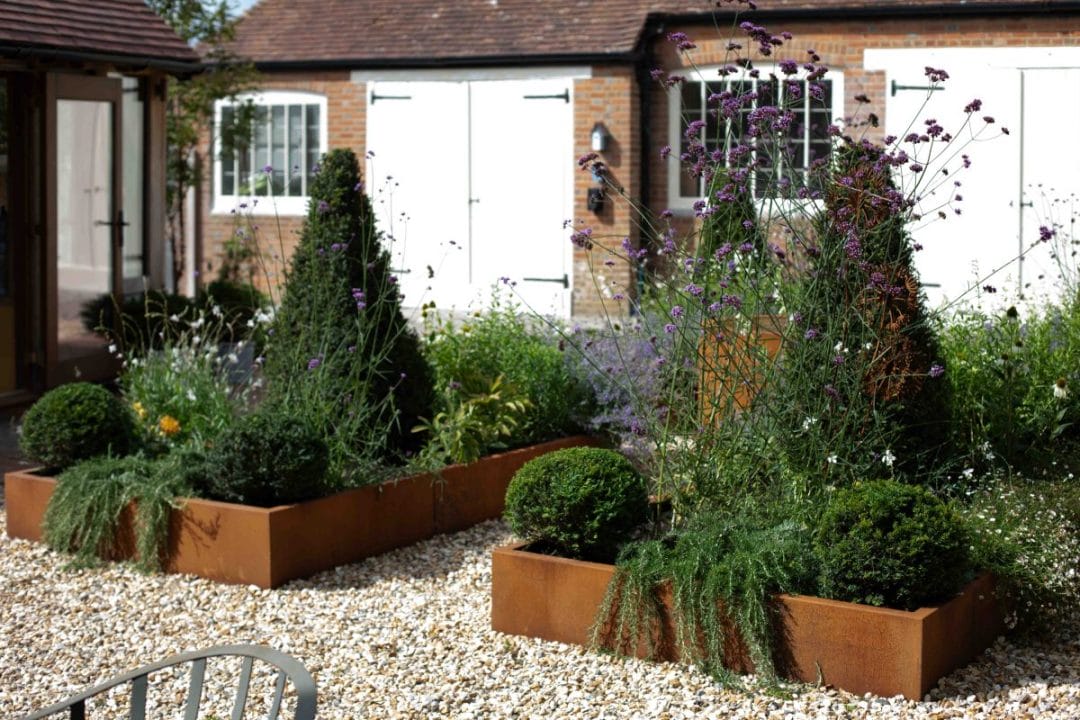
Another way to reduce maintenance is to reconsider the size of your lawn. While expansive turf can look attractive, it often requires the most work—regular mowing, watering, edging and fertilising. Reducing lawn space and replacing it with mulched beds, gravel areas, ground covers or a small patio can significantly cut down upkeep. Even a modest reduction in turf area can make a noticeable difference in the time and energy required to maintain your garden.
Mulch is one of the simplest yet most powerful tools in low-maintenance design. A generous layer of mulch helps suppress weeds, retain moisture and regulate soil temperature. It also gives planting beds a neat, finished appearance. Organic mulches like bark chips gradually improve soil quality as they break down, while decorative gravel offers a modern look and requires very little ongoing care.
Repetition is another design principle that enhances both beauty and simplicity. Instead of filling your garden with a wide variety of plants that each require different care routines, choose a smaller selection and repeat them throughout the space. Clusters or drifts of the same plant create visual harmony and make the garden feel cohesive and professionally designed. At the same time, fewer plant varieties mean fewer maintenance routines to manage.

Ultimately, a low-maintenance garden is about thoughtful choices rather than sacrificing beauty. By designing around your environment, selecting resilient plants, minimizing high-effort features, and embracing simple structure, you can create a garden that feels abundant and impressive—without demanding all your spare time.
READ MORE