
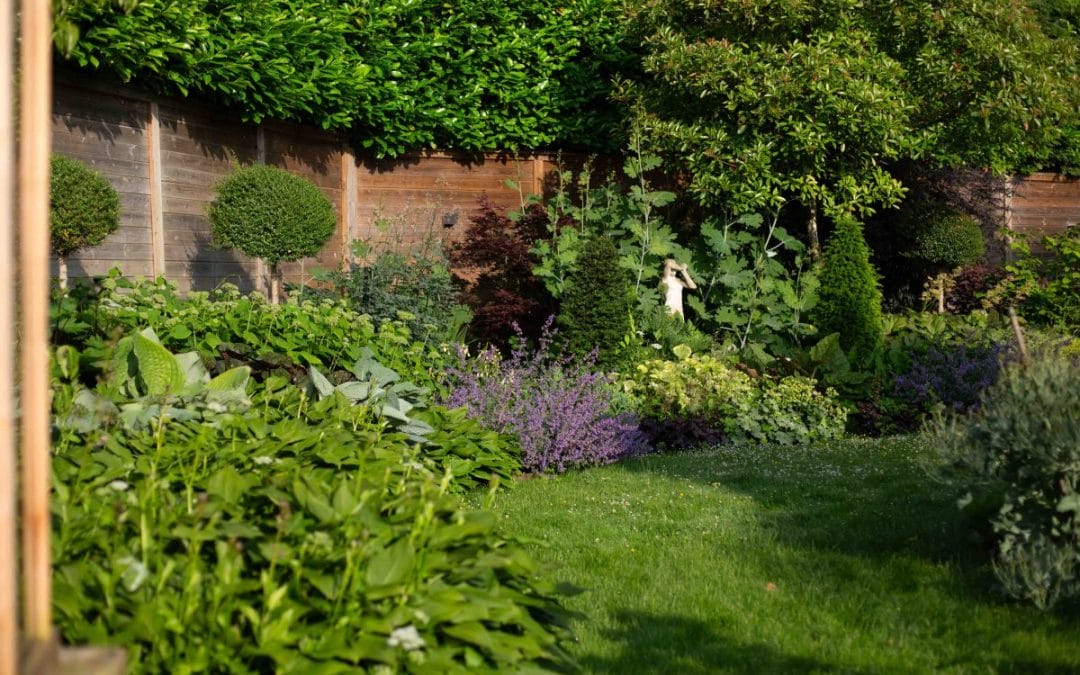
There’s something undeniably enchanting about a cottage garden. Overflowing with flowers, buzzing with bees and brimming with charm, it feels like stepping into the pages of a storybook. Unlike formal gardens with their clipped hedges and orderly rows, a cottage garden thrives on informality and abundance. The joy of this style is in its welcoming chaos, where blooms tumble into one another and every corner feels alive.
Although the style looks effortless, it helps to begin with a little structure. Winding gravel paths or old brick walkways can guide you through the planting, while a low picket fence or rustic gate defines the boundary and adds to the atmosphere. A well-placed arbor draped in roses, a weathered bench beneath a tree or even a birdbath at the center can serve as a focal point. These touches give the wildness a framework to grow around.

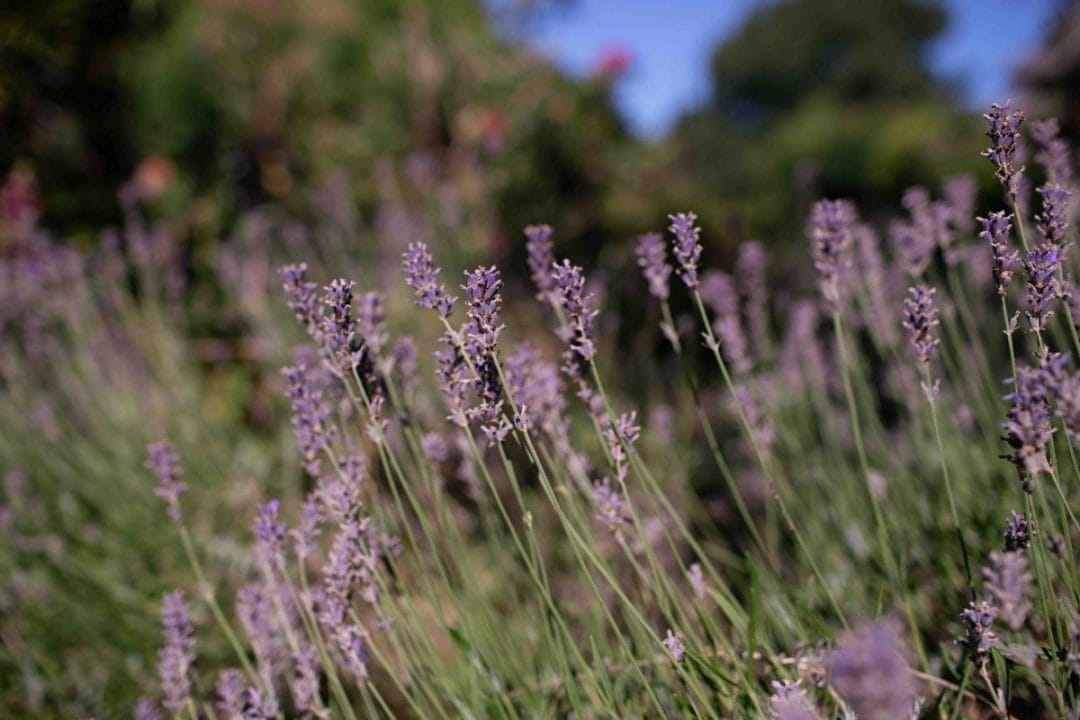
When it comes to planting, the more variety the better. A true cottage garden blends flowers, herbs and even vegetables in the same space. Imagine hollyhocks and foxgloves reaching skyward, while lavender, thyme and rosemary spill fragrance at your feet. Delphiniums, lupines and peonies bring height and drama, while cosmos and sweet peas weave in colour throughout the season. Climbing roses and clematis scramble up walls and trellises and even a strawberry patch or a cluster of rhubarb can find a home among the blooms. The magic comes from planting generously and letting layers of tall, medium and trailing plants blur together.
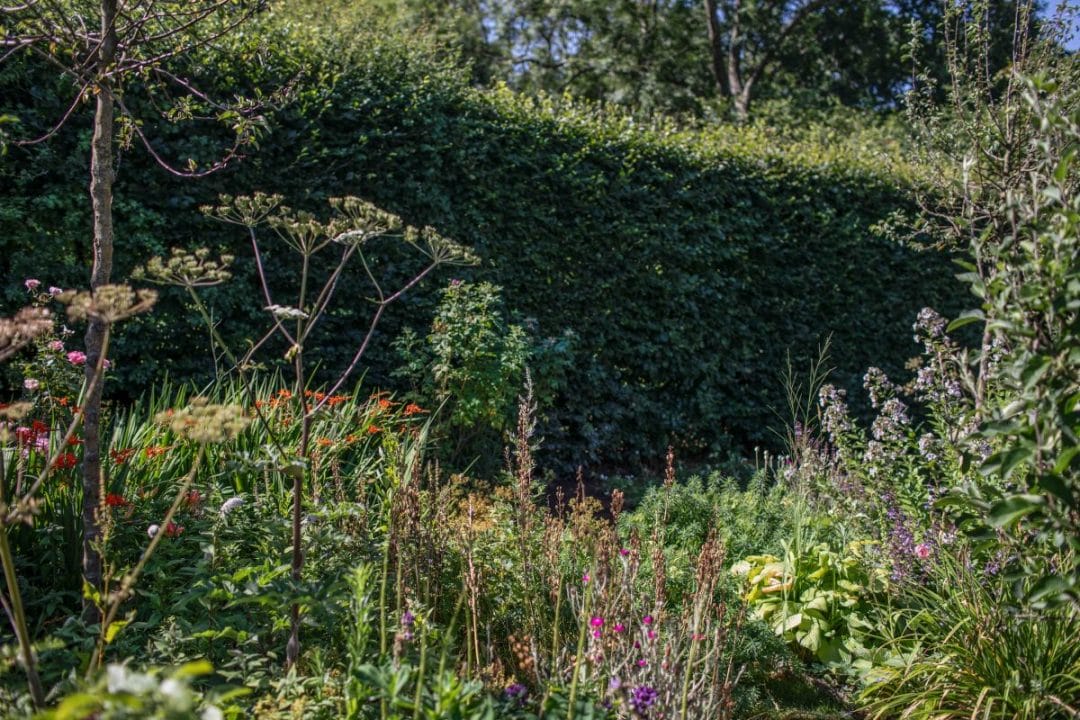
Part of the charm lies in embracing informality. Rather than setting flowers in rigid rows, scatter seeds and allow plants to find their own place. Self-seeding favorites like poppies and foxgloves often reappear in surprising spots, softening edges and giving the garden its natural, lived-in character. The occasional wild bloom in a pathway isn’t a mistake—it’s part of the charm.
A cottage garden is also a haven for wildlife. Nectar-rich flowers draw bees and butterflies, while shrubs and berry-bearing plants attract birds. Adding a shallow dish of water or a rustic birdbath turns your garden into a sanctuary. By avoiding harsh chemicals and letting the garden develop naturally, you create a balanced ecosystem as well as a beautiful retreat.


Although the style looks wonderfully full and sometimes overwhelming, you don’t need to tackle everything at once. It’s often best to begin with a small area and expand gradually. Mulching will help control weeds, and deadheading flowers keeps the blooms coming. Pruning climbing plants when they get unruly allows them to stay charming rather than overpowering. Over time, the garden grows into itself, becoming more lush and established each season.
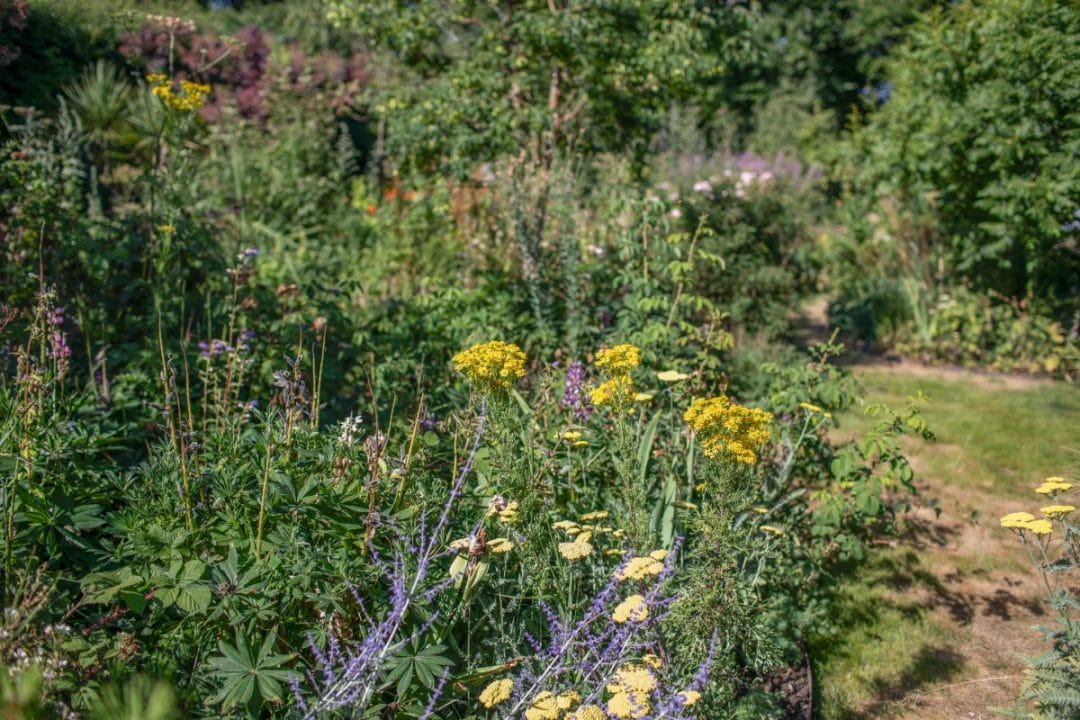
What makes a cottage garden truly unique, though, are the personal touches you bring to it. An old watering can repurposed as a planter, a terracotta pot filled with herbs by the path or a tucked-away seating nook where you can pause with a cup of tea all add character. Decorative elements like lanterns, rustic arches or even a simple stone birdbath weave in personality and make the garden feel like home.
In the end, creating a cottage garden is not about following strict rules but about embracing abundance, charm and the spirit of nature. It is a space that grows with you, changing from season to season and year to year. Plant generously, allow surprises, and watch as your garden transforms into the enchanting retreat you’ve always imagined.
READ MORE