
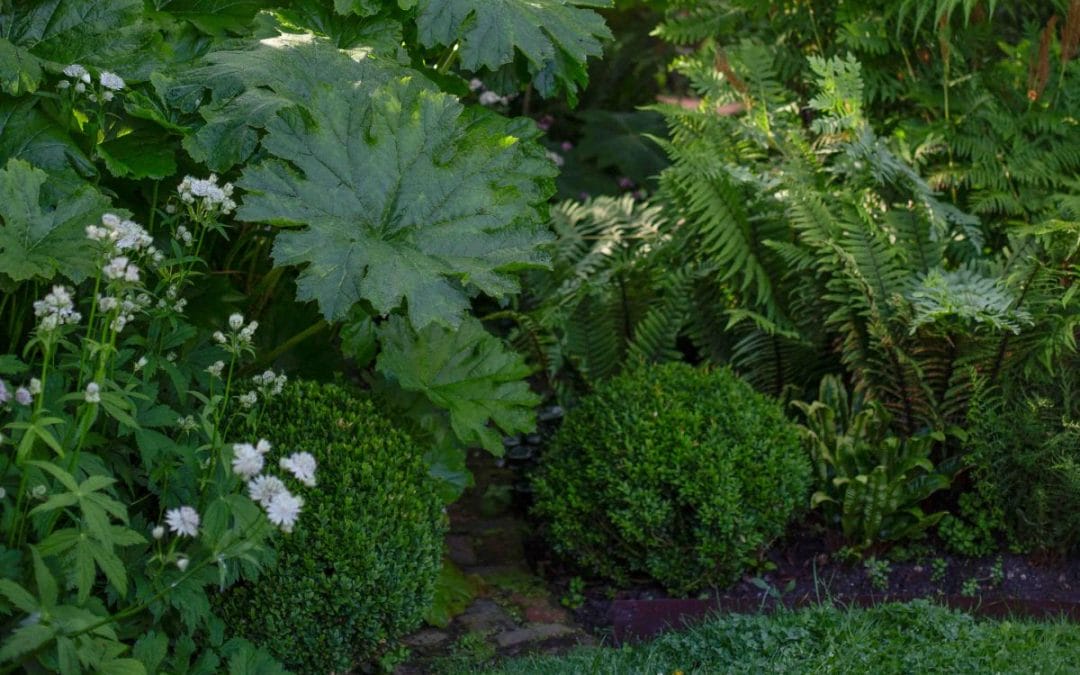
One of the secrets to a truly beautiful garden isn’t just choosing the right plants—it’s knowing which plants work well together. Thoughtful plant combinations create contrast, extend seasonal interest, encourage wildlife and give borders a natural, balanced look throughout the year.
Whether you’re creating a contemporary garden or a traditional cottage-style border, here are some tried-and-tested plant pairings that consistently deliver stunning results.
Lavender and Roses
A timeless combination, lavender and roses have been planted together for generations. The soft purple flowers of lavender beautifully offset the romantic blooms of roses while also helping to soften the structure of rose beds.
Lavender thrives in the same sunny, well-drained conditions that many shrub roses enjoy, making them practical companions as well as visually appealing. The fragrant flowers also attract bees and other pollinators throughout the summer.
Best for: Cottage gardens, formal borders and front gardens.
Salvia, Nepeta and Alliums
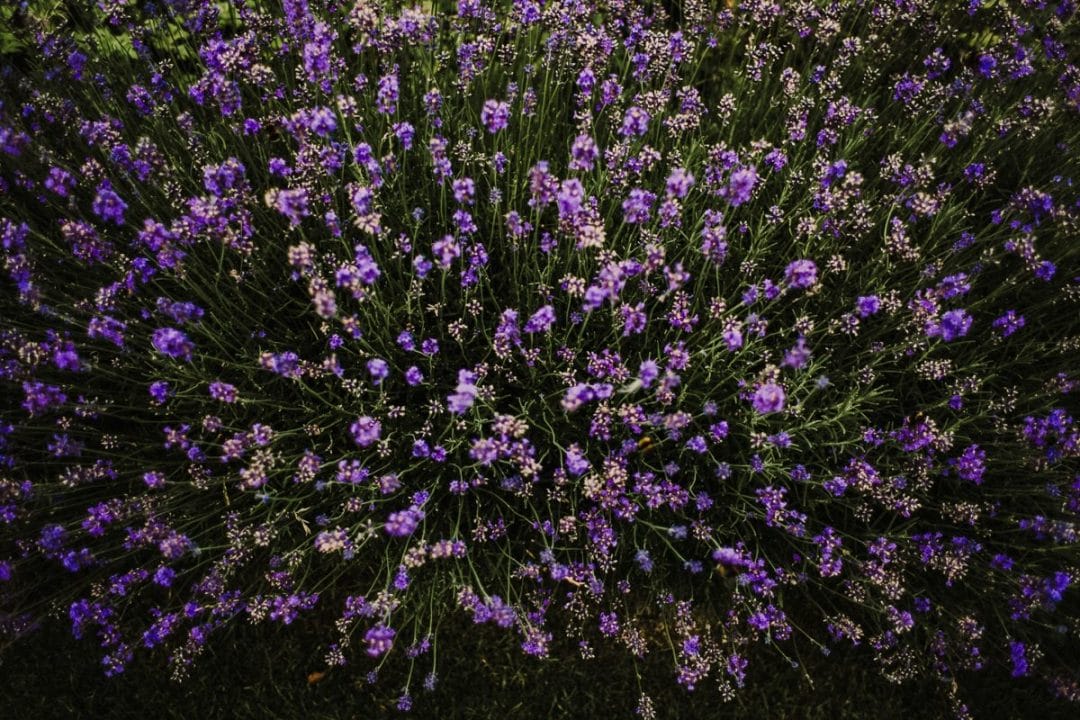
For a long-lasting display of purples and blues, few combinations rival salvia, Nepeta, and ornamental alliums.
The architectural flower heads of alliums emerge in late spring, followed by waves of colour from salvias and nepeta throughout summer. Their differing flower shapes create depth and movement while providing a valuable food source for pollinating insects.
Best for: Naturalistic or prairie-inspired planting schemes.
Ornamental Grasses and Echinacea
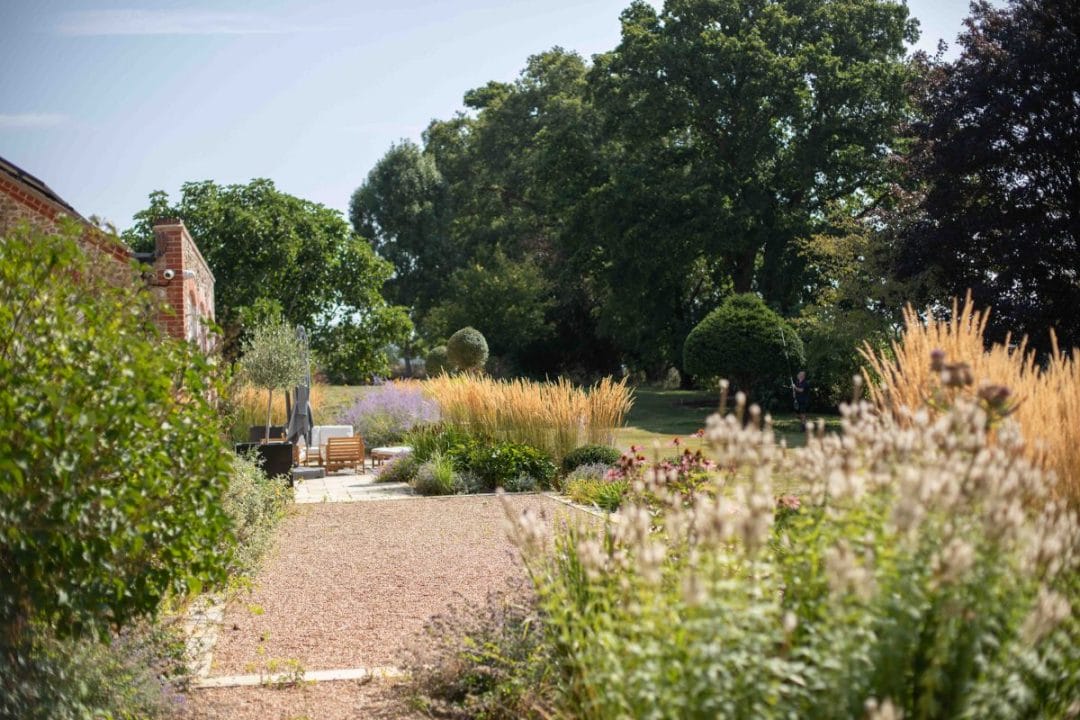
If you’re looking for texture and movement, ornamental grasses paired with Echinacea are an excellent choice.
The upright flowers of echinacea stand proudly amongst the flowing seed heads of grasses such as Stipa tenuissima or Miscanthus. As autumn approaches, both plants continue to provide interest long after many flowers have faded.
The result is a border that remains attractive well into winter.
Best for: Contemporary gardens and wildlife-friendly planting.
Hydrangeas and Ferns
For shaded or partially shaded gardens, hydrangeas and ferns create an elegant, layered effect.
The large flower heads of hydrangeas contrast beautifully against the delicate, feathery foliage of ferns. Together they provide structure, lush greenery, and long-lasting seasonal colour in areas where many flowering plants struggle.
Best for: Woodland-inspired planting schemes.
Sedum and Verbena bonariensis
Sedum and Verbena bonariensis make an exceptional late-summer pairing.
Sedum offers sturdy flower heads that gradually deepen in colour, while Verbena adds height and an airy appearance without blocking views across the border. Both are drought-tolerant once established and highly attractive to butterflies and bees.
Best for: Low-maintenance gardens with a relaxed feel.

Heuchera and Hellebores
When colour is needed outside the peak growing season, heucheras and hellebores provide year-round value.
Heuchera offers evergreen foliage in shades of lime, caramel, burgundy and silver, while hellebores produce elegant flowers during late winter and early spring when little else is in bloom.
Best for: Shaded borders needing colour during the colder months.

Agapanthus and Verbena
For a more contemporary look, combine architectural agapanthus with the airy stems of Verbena bonariensis.
The bold spherical flowers of agapanthus provide strong structure, while verbena weaves through the planting, softening the overall effect. This pairing thrives in sunny locations.
Best for: Relaxed Mediterranean-inspired style gardens.
Creating Successful Planting Schemes
The most successful borders are about much more than matching flower colours. Professional planting schemes consider:
- Flowering times to provide interest across the seasons
- Contrasting foliage shapes and textures
- Plant heights and natural growth habits
- Soil conditions and sunlight levels
- Wildlife value and biodiversity
- Long-term maintenance requirements
When these factors are carefully balanced, the result is a garden that looks harmonious throughout the year rather than only for a few weeks in summer.
Let Your Garden Flourish
Choosing the right plant combinations can completely transform your outdoor space. By selecting plants that complement one another in both appearance and growing conditions, you’ll enjoy healthier planting, longer-lasting colour and a garden that evolves beautifully through every season.
Whether you’re refreshing an existing border or designing an entirely new garden, a professionally planned planting scheme ensures every plant has its place, creating a landscape that looks effortlessly beautiful year after year.
READ MORE