
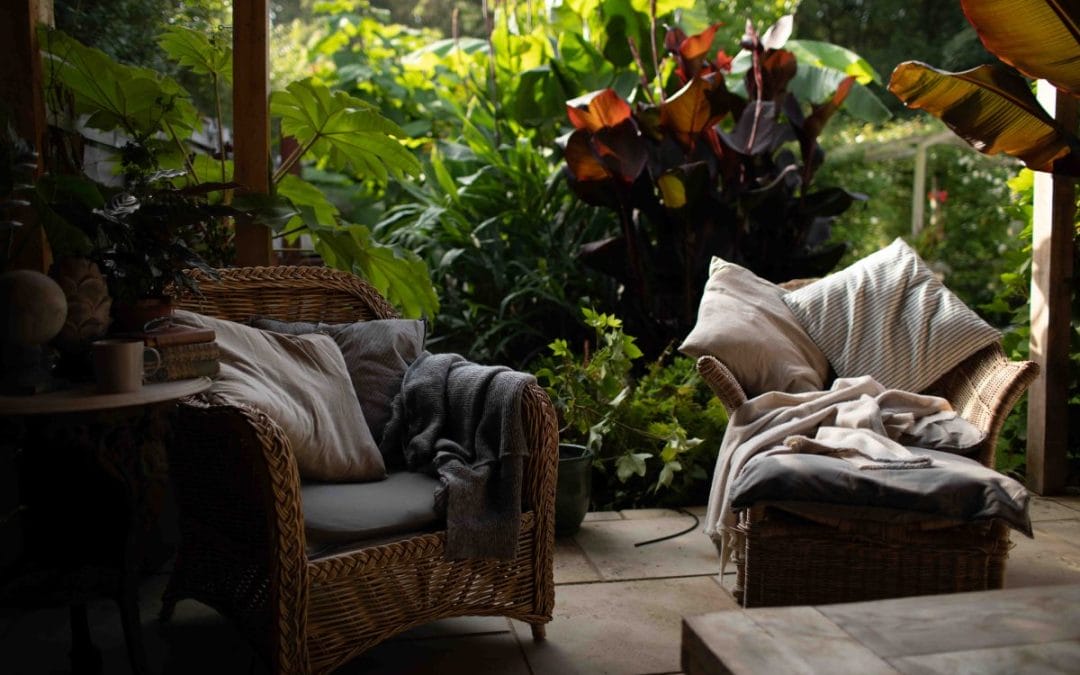
When the days are long and the evenings stretch on, your garden naturally becomes an extension of your home. A well-designed space for summer entertaining isn’t just about how it looks—it’s about how it feels to use. The best gardens for BBQs and gatherings combine thoughtful layout, easy flow and planting that creates atmosphere without demanding constant attention.
A strong design always begins with structure. Dividing your garden into clear, purposeful zones helps create a sense of order while still allowing the space to feel relaxed and inviting. Most successful entertaining gardens include a dedicated cooking area, a comfortable dining space and a more informal lounge zone for drinks and conversation. These areas don’t need to feel rigidly separated, but they should be distinct enough that each serves its purpose. Connecting them with subtle transitions—such as pathways or soft planting—helps the garden feel cohesive, much like an open-plan interior.
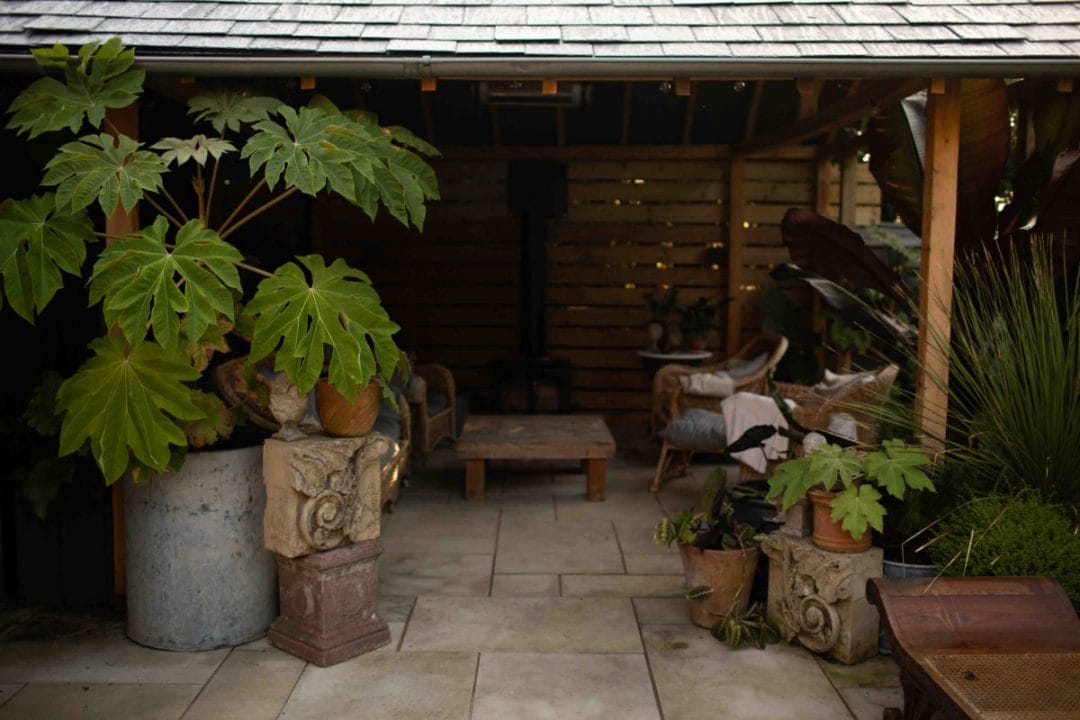
Flow is what makes a garden truly work during a social occasion. Guests should be able to move easily between spaces without awkward squeezing or disruption. Wide, unobstructed pathways help avoid bottlenecks, particularly around key areas like the BBQ or access points from the house. Positioning seating thoughtfully also makes a difference; no one should feel like they’re interrupting others just to move through the space. A useful way to approach this is to imagine a small group of people circulating with drinks in hand, and ensure the layout supports that natural movement.
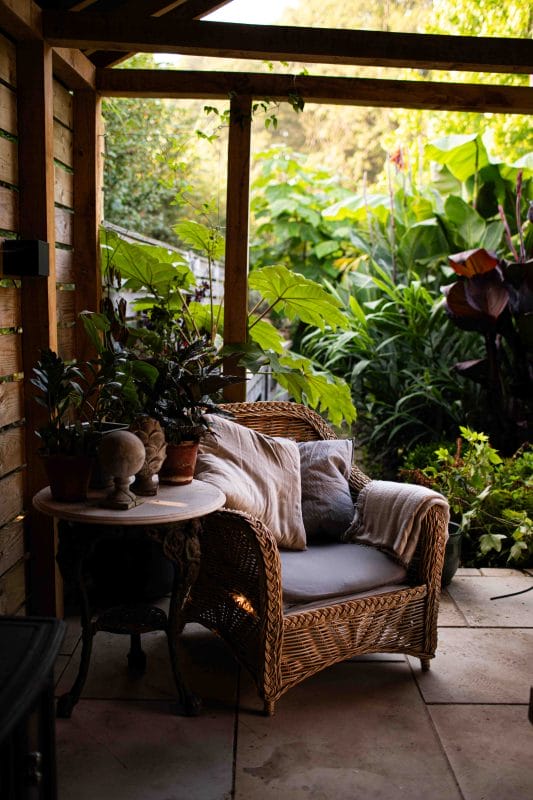
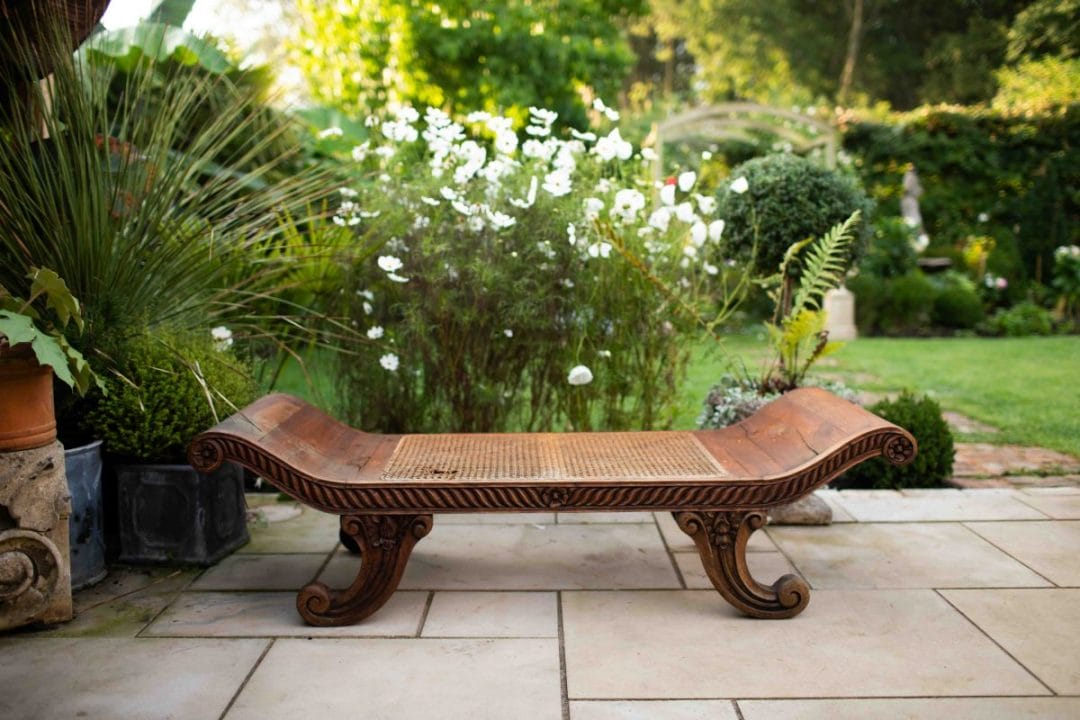
Planting plays a central role in shaping the atmosphere. Rather than treating plants as decoration, they should be used to enhance how the space feels. Soft, layered planting around seating areas can create a sense of intimacy, making even larger gardens feel more inviting. Fragrance adds another dimension, especially near dining or lounge areas, while plants with movement—such as ornamental grasses or tall, airy perennials—bring a gentle dynamism that makes the garden feel alive. Choices like lavender, salvia and verbena bonariensis are particularly effective, offering long-lasting colour, texture and pollinator appeal, while hydrangeas provide structure and visual impact through the season. Incorporating herbs such as rosemary and thyme near dining spaces not only looks beautiful but also adds a practical, sensory element.
For many homeowners, low maintenance is just as important as aesthetics. A well-designed planting scheme can significantly reduce the time and effort required to keep the garden looking its best. Focusing on perennials rather than seasonal bedding plants ensures the garden returns year after year, while drought-tolerant varieties help it cope during hotter periods. Dense planting is another effective strategy, as it naturally suppresses weeds and reduces the need for constant upkeep. Combinations such as lavender with ornamental grasses and salvia can create a relaxed Mediterranean feel with minimal intervention, while evergreen shrubs paired with hydrangeas offer reliable structure and seasonal interest. Adding a layer of mulch and incorporating simple irrigation solutions can further ease maintenance, allowing you to enjoy the space rather than manage it.
The way social areas are arranged also has a big impact on how the garden is used. Dining spaces tend to work best when positioned close to the house, making it easier to serve food and clear away, while surrounding them with planting can soften edges and create a more intimate setting. Lounge areas benefit from being slightly set apart, offering a quieter, more relaxed atmosphere where guests can gather after eating. Shade is important here, whether provided by a pergola, umbrella or well-placed tree. The BBQ or cooking area should have enough room to function comfortably, with careful consideration given to wind direction and proximity to seating so that it remains practical without dominating the space.
Finally, it’s the finishing touches that elevate a garden from functional to memorable. Thoughtful lighting allows the space to transition seamlessly into the evening, creating warmth and ambience as natural light fades. Consistent materials help tie the design together, while softer elements like cushions, outdoor rugs and planters introduce personality and comfort.
When all these elements come together, the result is a garden that feels effortless to use and inviting to spend time in. By prioritising structure, flow and considered planting—particularly with low-maintenance choices—you create a space that not only looks beautiful throughout the summer but also supports the way people naturally gather, relax and enjoy it.
READ MORE